


After an overnight bus journey, even a few hours’ doze doesn’t always allow you to fully recover. The best plan for the first day is to gently help your body adjust to the local rhythm, avoid setting yourself challenging tasks, and not try to mask severe tiredness with too much caffeine.
The first few hours after arrival
Step out into the daylight, have a drink of water and go for a short walk. Check your luggage and find a safe place to stay before planning your sightseeing itinerary. If you’re feeling distracted, don’t get behind the wheel.

Food and caffeine
Opt for your usual light breakfast containing protein and carbohydrates. Coffee may provide a temporary boost, but it is no substitute for sleep. Avoid consuming large amounts of caffeine late in the day if you want to fall asleep in the evening according to local time.
Do you need a nap?
A short nap may help, but resting for several hours during the day often disrupts your sleep the following night. Set an alarm and allow time for a gentle wake-up. If you’re feeling unwell, rest should be your priority, not the itinerary.
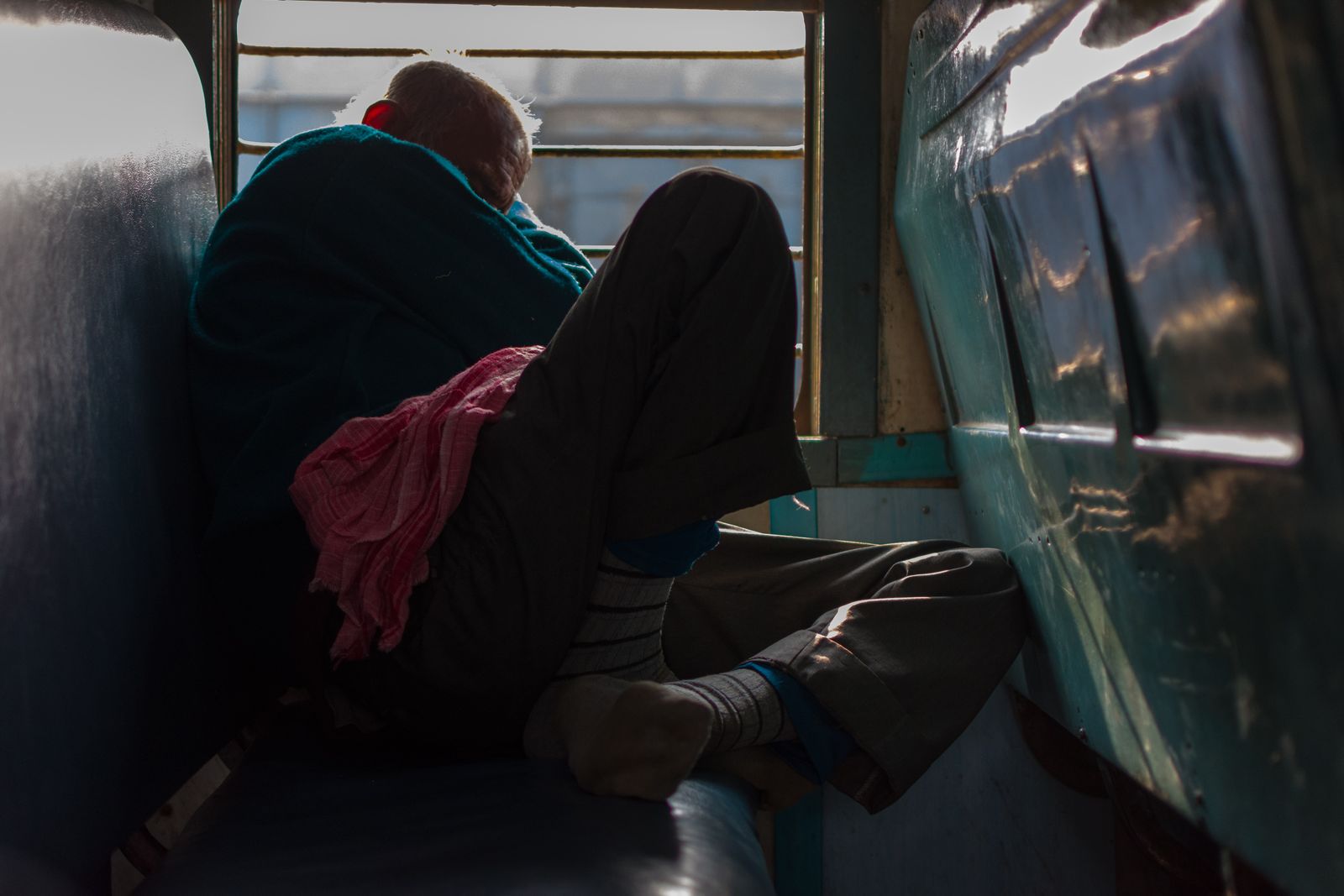
Plan a relaxed first day
Choose a walk, a park, a café or a single location with no fixed entry point. It’s best to reschedule important meetings, complicated connections and long journeys if possible.
What to check before you set off
Check the date, local time, exact address of the stop and the rules of the specific transport operator. Save your ticket and map offline, tell a loved one your itinerary, and set aside some money for the journey to the boarding point. Arrange any special requirements, medical equipment or non-standard luggage in writing well in advance.
Checks during stops
At each stop, ask or listen carefully to find out how long the break will last, and return to the bus in good time. Before getting off, take your phone, documents and money with you, but do not unpack all your hand luggage. Upon returning, make sure your belongings are back in their places and that the aisle and the seat next to you remain clear. This habit is particularly useful at night.
A quick checklist
- essential items are in your easily accessible hand luggage;
- your documents, mobile phone and battery are checked;
- the exact stop is marked on an offline map;
- the carrier’s contact details and a backup plan have been saved;
- valuables are not left unattended.
Before setting off, also check the packing list for a long journey and the list of documents required for Europe. Find the latest bus timetables on RedRay.
Frequently asked questions
How much sleep do you need after a coach journey?
There’s no one-size-fits-all answer. Go by how you feel and your usual routine; if you have persistent sleep problems, see a doctor.
Do energy drinks help?
They do not make up for a lack of sleep and may actually make you feel worse. Water, food, light and proper rest are more reliable.