

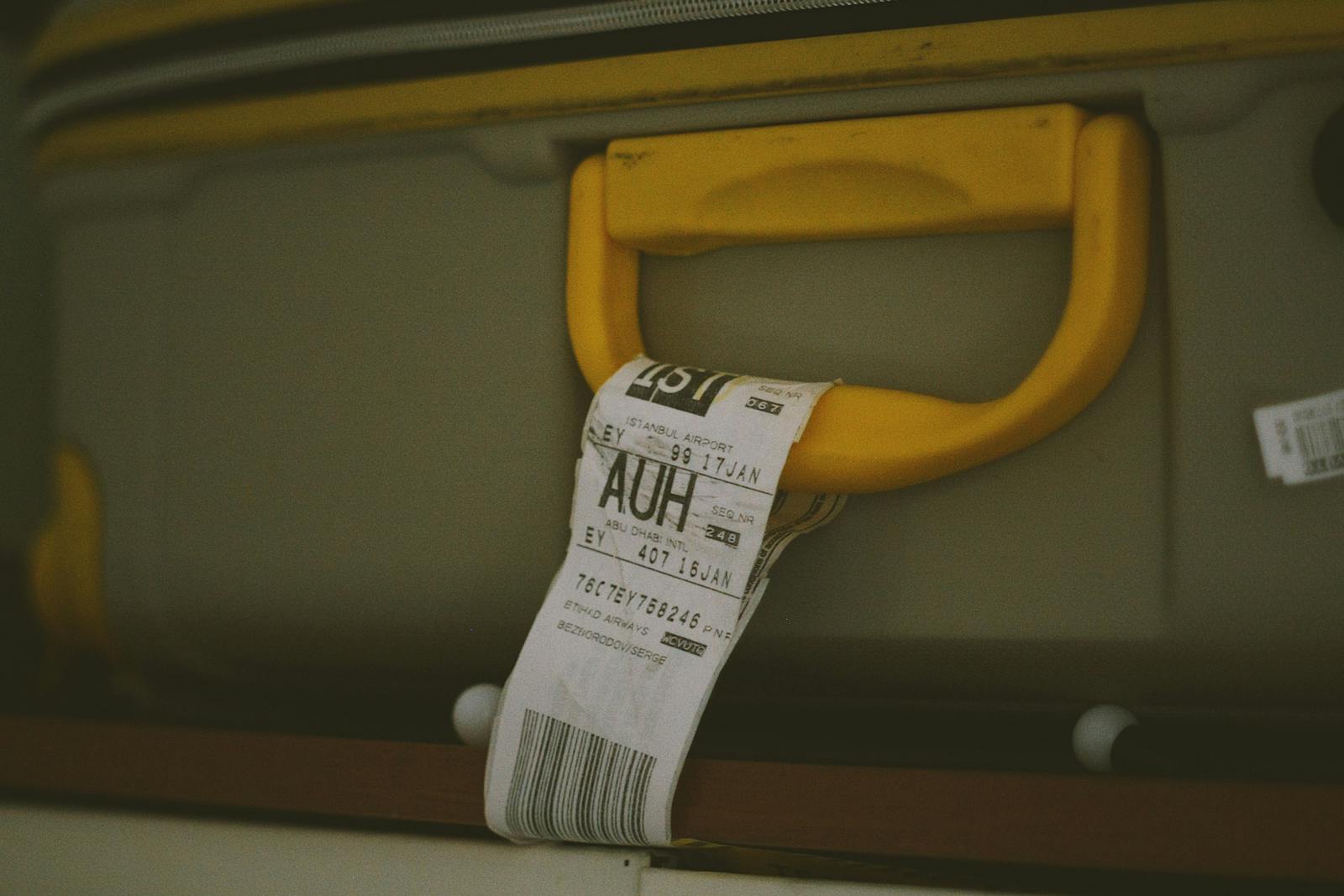
At busy bus stops, passengers often have similar-looking dark suitcases. A distinctive label and a plain contact tag help you spot your luggage quickly, whilst taking a photo before checking it in makes it easier to describe your belongings should there be any mix-ups.
What to write on the tag
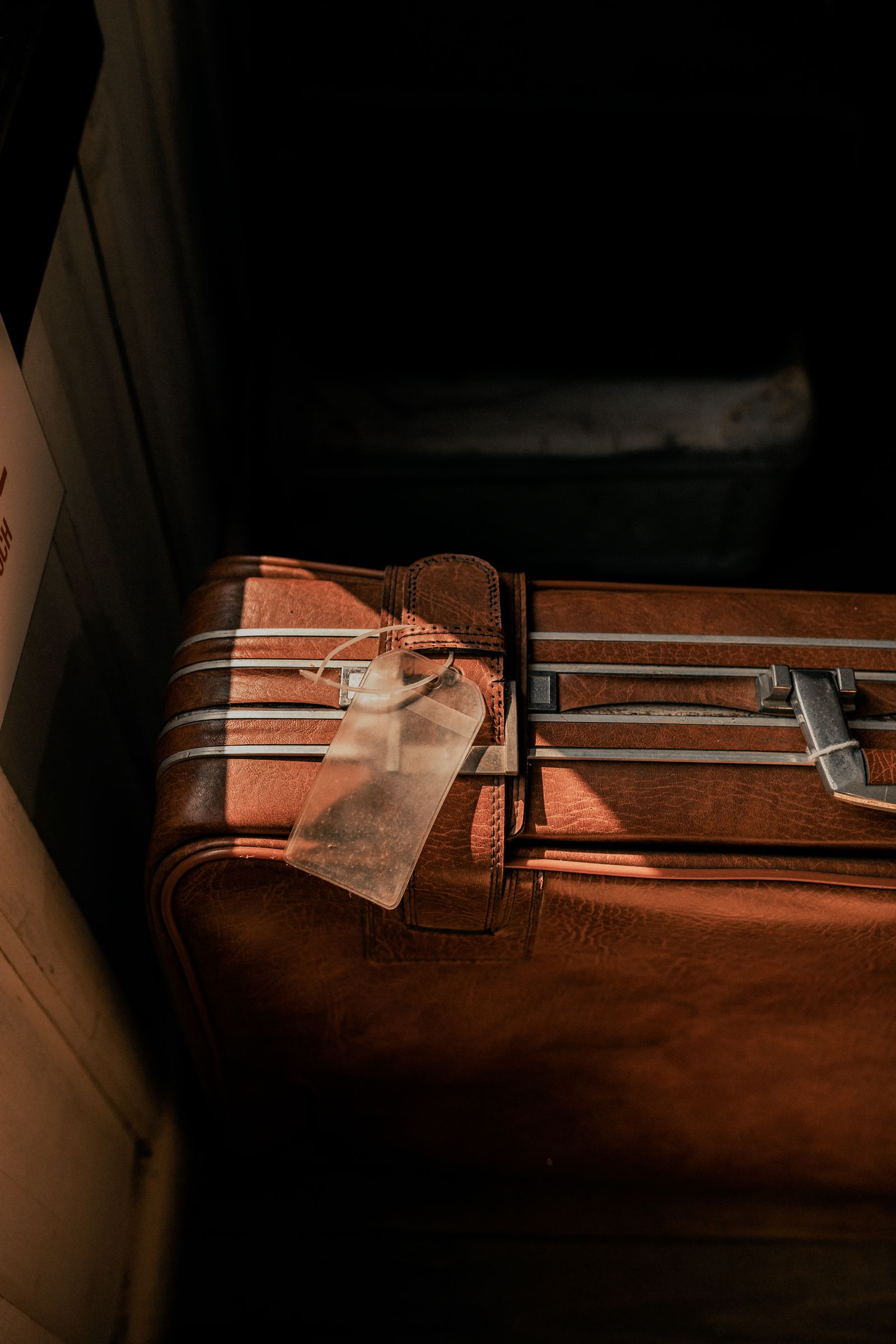
Your name or initials, a telephone number with the international dialling code, and an email address are sufficient. Do not include your home address, passport number or detailed itinerary. The tag should be sturdy but should not interfere with the handles or locks.
Make your suitcase recognisable
A bright ribbon, strap or cover should stand out from the usual ones. Do not use long, loose laces that could get caught. Before you travel, take photos of your suitcase from all angles and keep a photo of your baggage tag.
Protection against accidental opening
Check the zips, fastenings and wheels. A strap around the suitcase helps if the zip is weak, but it does not make your luggage impenetrable. Keep valuables, documents, medicines and electronics in your hand luggage.
Collecting your luggage at the airport
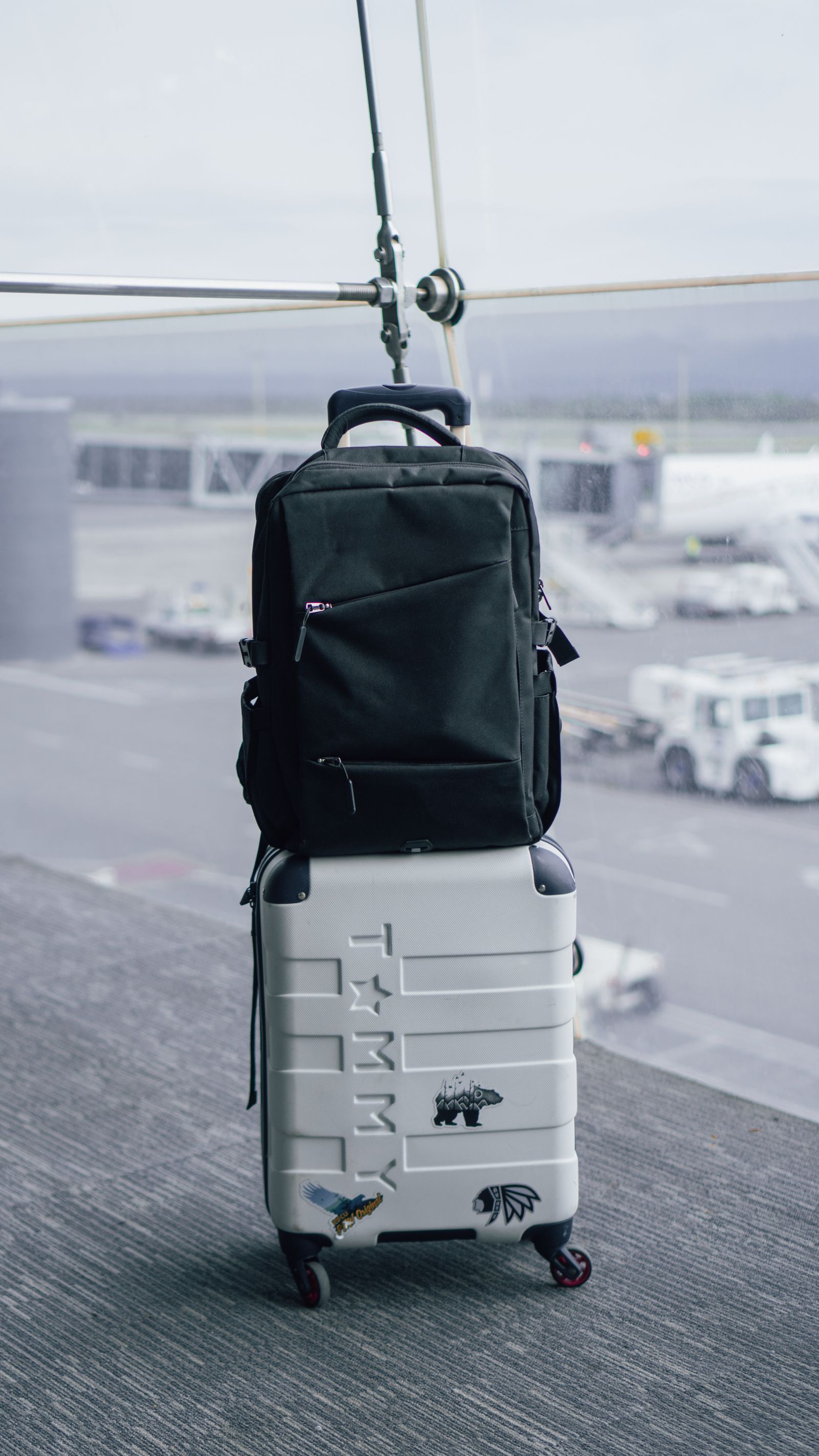
Don’t just pick up a suitcase based on its colour. Check your tag, the shape of the suitcase, any damage and the receipt number, if the carrier provided one. Report any issues to the crew immediately, before the coach has left.
What to check before departure
Check the date, local time, exact address of the stop and the specific carrier’s rules. Keep your ticket and map to hand, inform a friend or family member of your itinerary, and make sure you have enough money for the journey to your destination. Arrange any special requirements, medical equipment or non-standard luggage in writing well in advance.
Checks during stops
At each stop, ask or listen carefully to find out how long the break will last, and return to the bus in good time. Before getting off, take your phone, documents and money with you, but do not unpack all your hand luggage. When you return, make sure your belongings are back where you left them and that the aisle and the seat next to you remain clear. This habit is particularly useful at night.
A quick checklist
- essential items are in your easily accessible hand luggage;
- your documents, mobile phone and battery are checked;
- the exact stop is marked on an offline map;
- the transport operator’s contact details and a backup plan have been saved;
- valuables are not left unattended.
Before setting off, also check the packing list for a long journey and the list of documents required for travel to Europe. Find the latest bus timetables on RedRay.
Frequently asked questions
Do I need a lock?
It prevents the bag from opening accidentally, but the rules and practical benefits depend on the type of luggage. Do not put irreplaceable items inside.
Can I provide my home address?
It’s best to stick to your phone number and email address to avoid disclosing unnecessary personal details.