


On a journey with several stages, each ticket should be considered separately, and you should allow a realistic amount of time between them for transfers and handling luggage. An unfamiliar station or a complicated change becomes easier if you break the journey down into short, manageable steps. It’s worth noting down the main landmarks before you set off, and allow plenty of time to take account of your luggage.
What to do before your journey
Save the station name in the local language, the address, contact details, journey number and a photo of the correct entrance. Upon arrival, first check the departure boards and signage, and only then look for a café or transport. Do not stray far from your boarding point without knowing the exact time of your return.
- coordinates
- side of the road
- landmark
- Geolocation
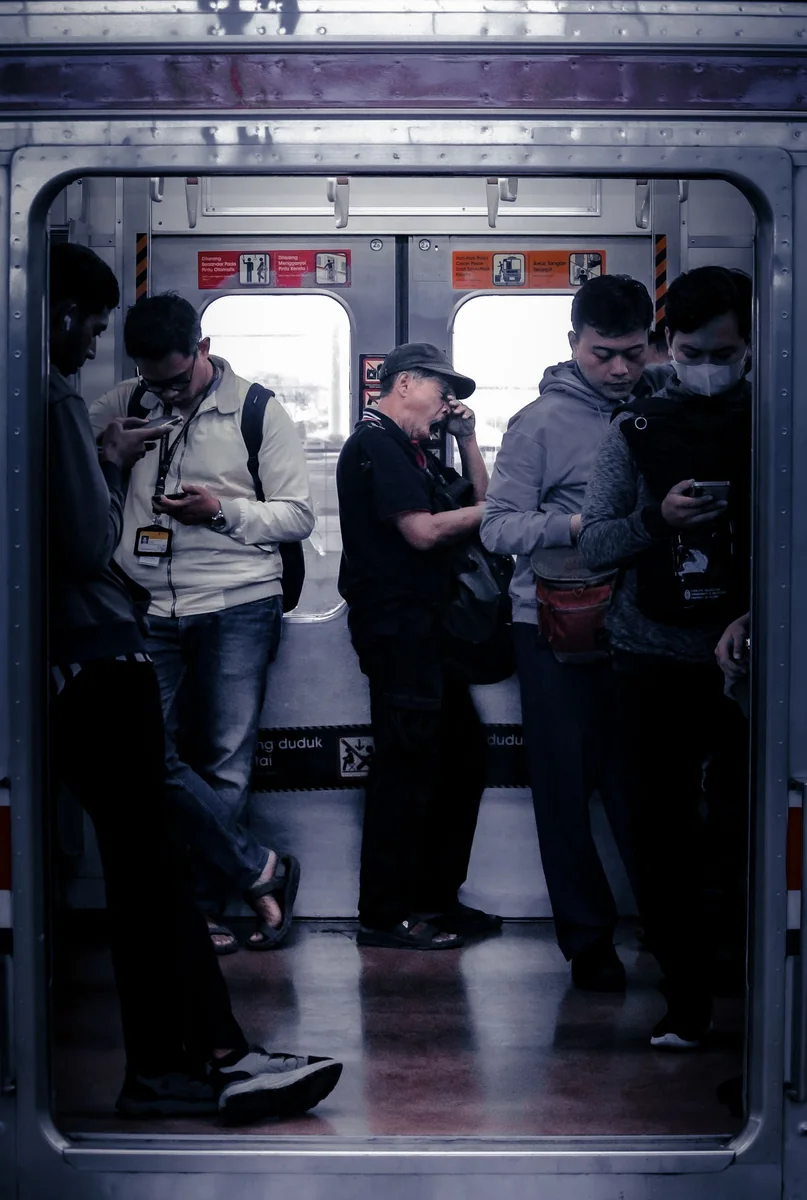
Step-by-step plan
Map out a simple sequence from arrival to your next connection. Include the route between platforms, the toilet, baggage collection and any potential queues, rather than just the difference in the timetable.
Prepare a plan B in case of delays: the next flight, a safe place to wait and the contact details of the person who sold you the second ticket.

Useful links
Read more about alternative routes to the station, stopovers and journey numbers. Current services are available on RedRay. For rules, which may change, use the official EU guide for coach passengers and the official resources of the country you’re travelling through. Sources verified on 6 September 2026.
Questions and answers
Pick-up details: what should you do?
Make a note of the pick-up coordinates and check they match the address on your ticket.
Side of the road: how to check?
Check which side of the road and the direction of travel: the same stop name may appear on both sides.
Landmark: when to prepare?
Use photos of the street to look for a permanent landmark, rather than a temporary sign.
Geolocation: where to check?
Only switch on geolocation whilst navigating, and arrive in good time to find the bus.