

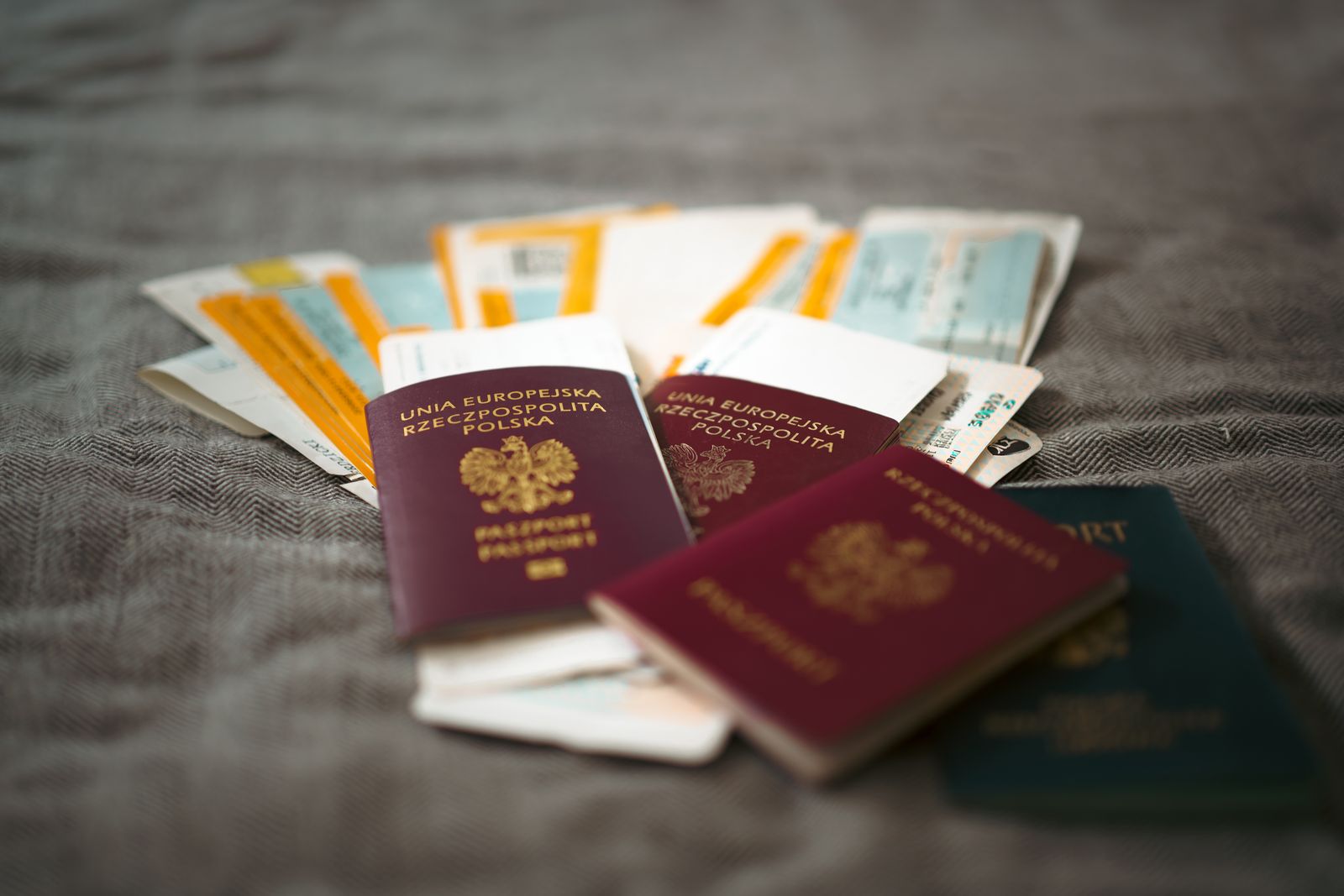
When travelling internationally by coach, you have to show your documents when boarding, during security checks and sometimes when checking in. If everything is scattered across different pockets, a routine check can become a stressful experience. A simple system with one main organiser and secure digital copies saves time and reduces the risk of loss.
What to keep together
Put your passport, printed or saved ticket, insurance policy and accommodation confirmation into a single, secure folder. There’s no need to take out documents you don’t need whilst travelling every time. Don’t keep your bank cards and all your cash in the same compartment.
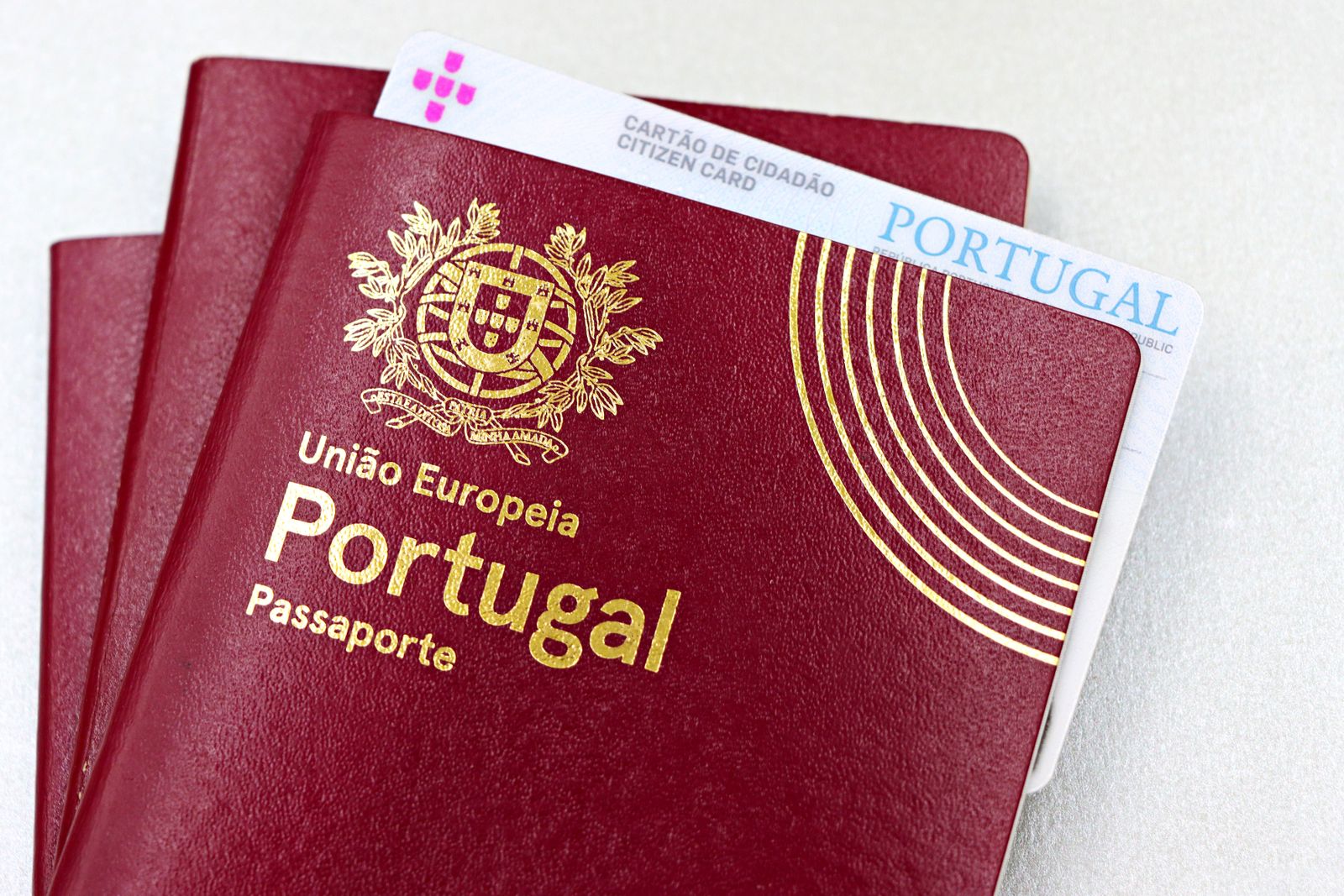
Organise by frequency of use
Place your ticket and passport on top, followed by your insurance, booking details and supporting documents. Before crossing the border, return each document to its place; do not leave your passport in a seat pocket or on a table.
Digital copies
Make legible copies of important pages and save them in secure cloud storage and offline on your phone. A copy is no substitute for the original, but it helps you provide the details in case of loss. Do not send documents in open group chats.
A final check before you leave
Before every transfer, check these three key items: your organiser, your phone and your wallet. A short, repeated routine is more reliable than trying to remember everything in a rush.
What to check before setting off
Check the date, local time, exact address of the stop and the rules of the specific transport operator. Save your ticket and map offline, tell a friend or family member your itinerary, and allow plenty of time for the journey to your boarding point. Arrange any special requirements, medical equipment or non-standard luggage in writing well in advance.
Checks during stops
At each stop, ask or listen carefully to find out how long the break will last, and return to the bus in good time. Before getting off, take your phone, documents and money with you, but do not unpack all your hand luggage. When you return, make sure your belongings are back in their places and that the aisle and the seat next to you remain clear. This habit is particularly useful at night.
A quick checklist
- essential items are in easily accessible hand luggage;
- your documents, mobile phone and battery are checked;
- the exact stop is marked on an offline map;
- the transport operator’s contact details and a backup plan have been saved;
- valuables are not left unattended.
Before setting off, also check the packing list for a long journey and the list of documents required for Europe. Find the latest bus timetables on RedRay.
Frequently asked questions
Do I need paper copies?
It depends on the carrier’s and authorities’ requirements, but having one compact copy of your key bookings is useful in case your phone runs out of battery.
Where should I keep my passport?
In a locked inner compartment of your hand luggage, which remains under your control and is not checked in.