


First, distinguish between what you can check yourself and any issues that require confirmation from the service provider or transport operator. An unfamiliar station or a complicated change becomes easier if you break the journey down into short, manageable steps. Keep the main landmarks in mind until you set off, and allow plenty of time to allow for your luggage.
What to do before your journey
Save the station name in the local language, the address, coordinates, journey number and a photo of the correct entrance. On arrival, first check the departure boards and signs, and only then look for a café or transport. Don’t stray far from your boarding point without knowing the exact return time.
- Train status
- Platform number
- delay
- Change of exit
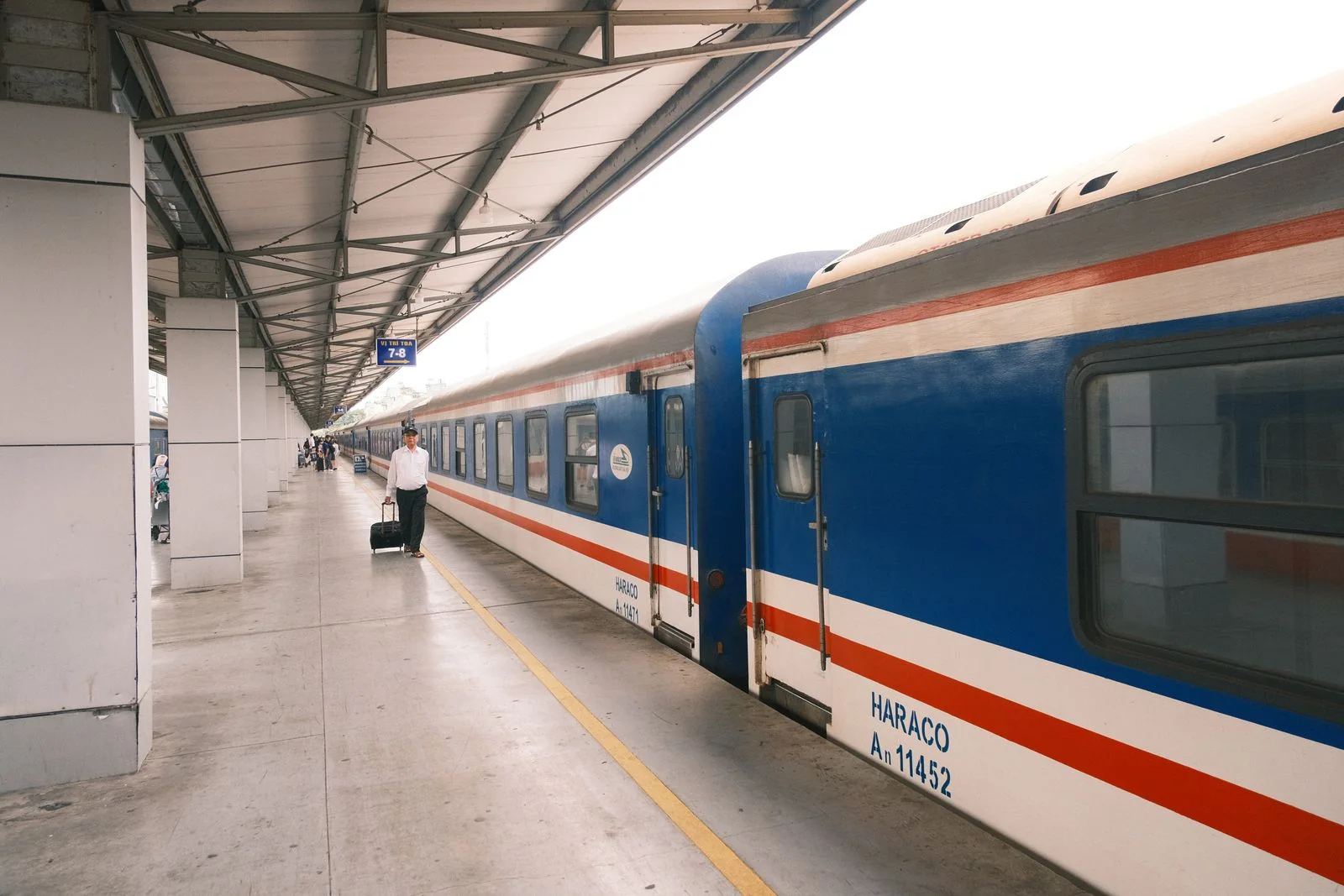
Step-by-step plan
Draw up a short list of facts: what is already known, what is missing and where to clarify this. Work through it step by step, without mixing several issues in a single enquiry.
Keep a copy of the key details offline and have a backup plan in case the main approach doesn’t work.
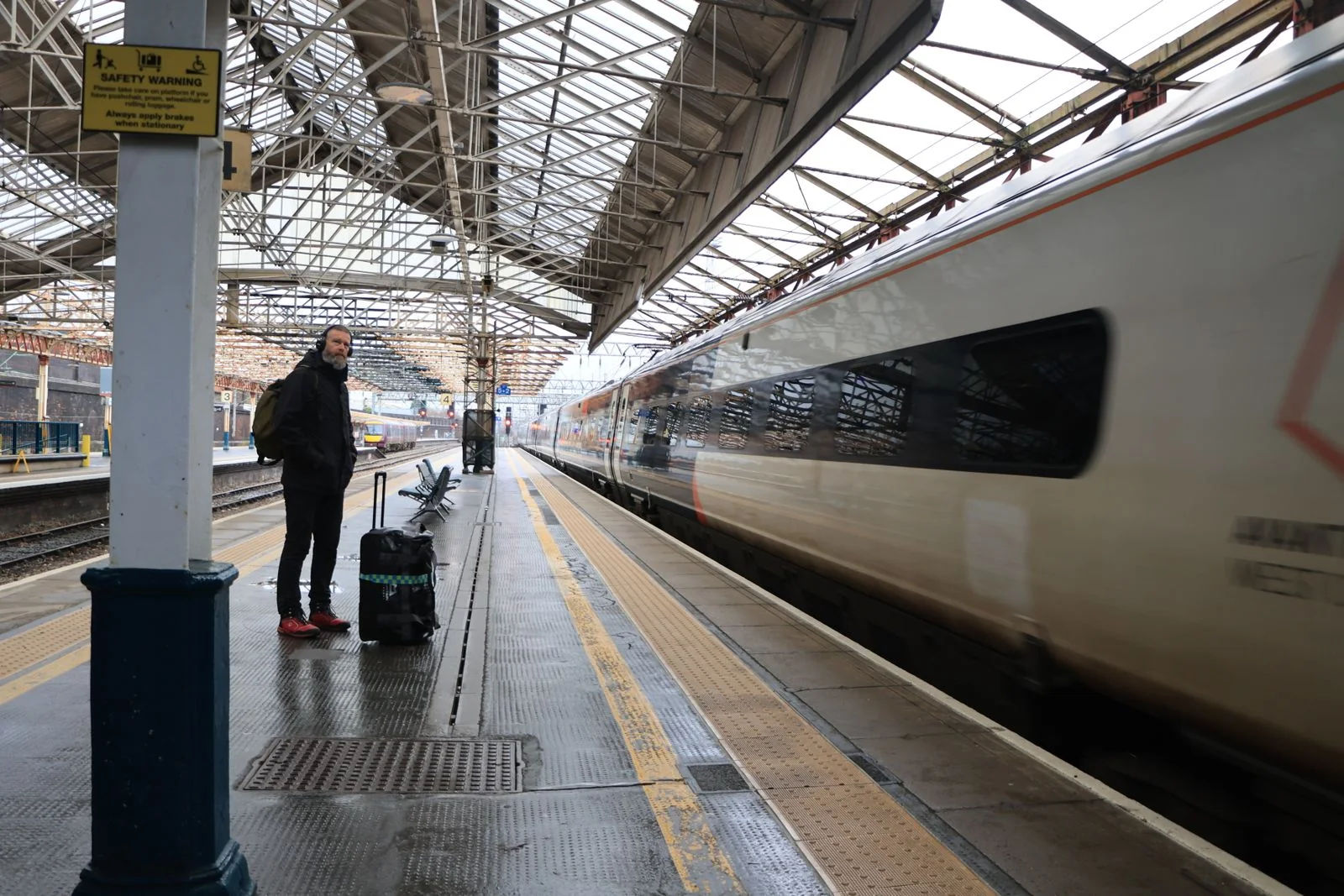
Useful links
Read more about bus stations abroad, flight numbers on the display board and how to avoid being late. Current services are available on RedRay. For rules that may change, use the official EU guide for bus passengers and the official resources of the country you’re travelling to. Sources verified on 6 September 2026.
Questions and answers
Journey statuses: what should you do?
Look for the journey number, time and final destination on the display board; the stopover town may not be shown.
Platform number: how to check?
Statuses such as ‘delayed’, ‘boarding’ or ‘platform change’ take precedence over the original departure number.
Delay: when should you prepare?
After a platform change, check the signs and confirm the floor or sector.
Change of departure gate: where to check?
If the flight isn’t shown on the display board, show your ticket at the information desk or to a member of the airline staff.