


A 48-hour itinerary in Split should take into account not only the sights but also how tired you’ll be after your journey. Instead of a long list, choose four key locations, check the route from your arrival point and save an offline map. That way, exploring the city will remain enjoyable even if the weather or timetables change.
Before you set off, check the exact address of your accommodation, check-in time and the route there. In Croatia, it’s worth bearing in mind the summer heat, slippery stone surfaces and seasonal queues at historic towns. Prices, opening hours and temporary restrictions may change, so check your final plan the day before your trip.
Before you set off: luggage, communication and transport
Download a map of the area, take a screenshot of your ticket and save the address of your accommodation in two different ways. If your room isn’t ready yet, first ask if you can leave your luggage in early; an alternative is an official left-luggage facility with clear rates and a receipt. Do not leave documents, money or chargers in your suitcase.
To get around Split, you can use city buses, ferries and walking routes. Don’t automatically buy a day pass: mark your destinations on a map and compare its price with two or three single journeys. It’s often more convenient to walk through the city centre, but your energy levels after a night bus journey are more important than a small saving.
Day one: Diocletian’s Palace and the Riva promenade
Once you’ve checked in or dropped off your luggage, start with Diocletian’s Palace. This spot helps you get a feel for the city’s scale and gauge the actual pace of your walk. Next, head towards the Riva Promenade, choosing streets with as few unnecessary detours as possible. On the first day, limit yourself to just one lengthy paid tour, and treat the rest of the sites as part of an open-ended itinerary.
If your bus arrives late, don’t try to catch up with the whole itinerary. Cut your second stop down to a quick look from the outside, take a break for a proper meal, and finish the evening near your accommodation. Before heading back, check the last public transport service and make sure you’re heading to the right stop.

Day two: Maryan Hill and Peristyl Square
Spend the second morning at Maryan Hill. If you need a time slot, book it for a realistic time, rather than immediately after the bus’s early arrival. Check the rules on carrying rucksacks, how to show your e-ticket and any possible closing days.
After the main tour, head to Peristyl Square. Allow time for a proper lunch and at least one free hour between these two stops. This will give you a buffer in case of queues, rain or an interesting street that wasn’t on your list. If your next bus leaves in the evening, make sure you finish visiting your last new location no later than two hours before boarding.
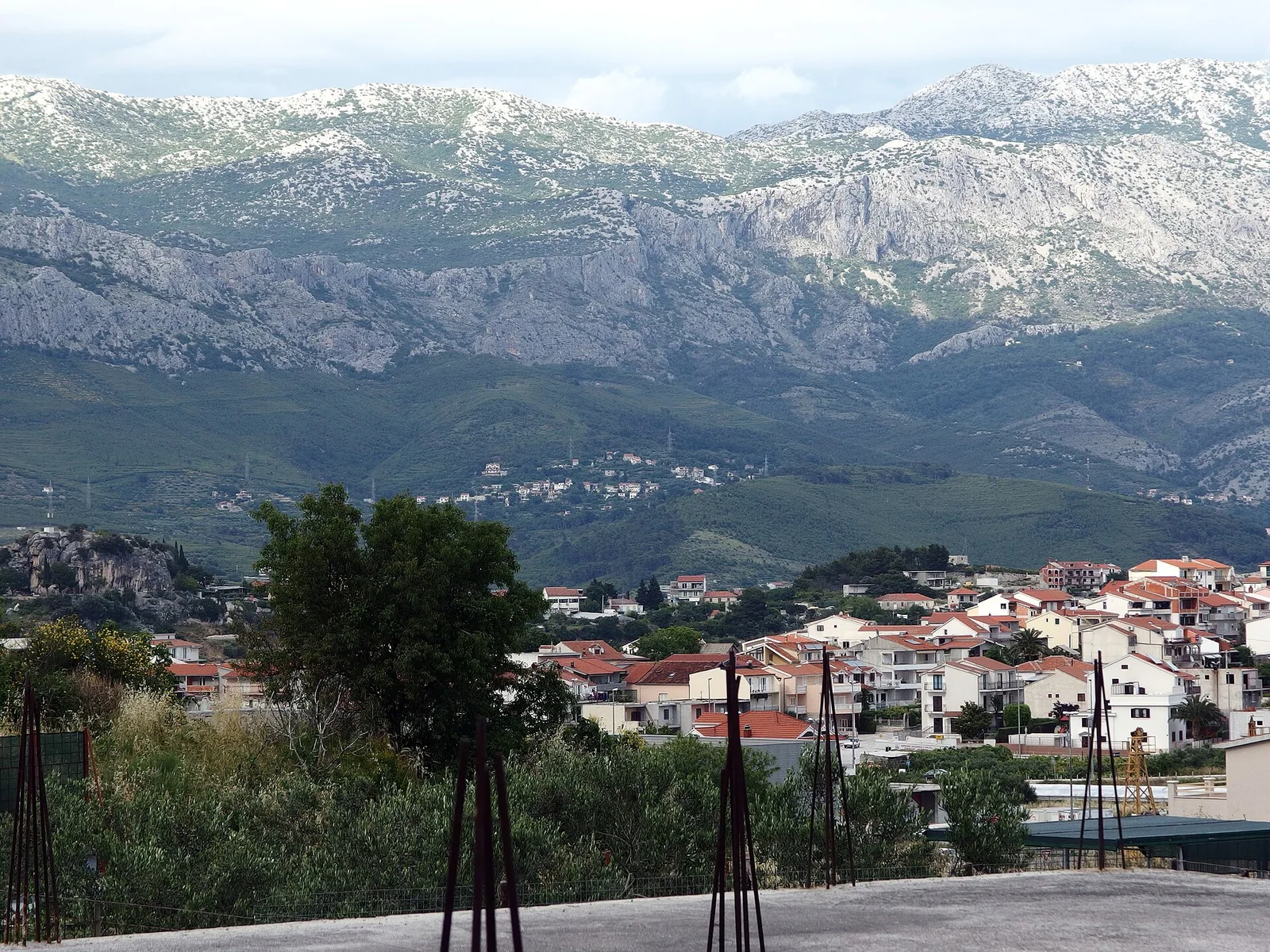
How not to overpack your itinerary
A good two-day plan includes one main attraction per day, two areas for a stroll and a few optional stops. Pick one spot that you wouldn’t mind skipping. That way, a delay won’t turn into a constant feeling of being behind schedule, and your trip will maintain a steady pace.
Allow more time than your sat-nav suggests for photos, a coffee and finding the right entrance. Cobblestones, hills and crowds will significantly slow you down. If you’re travelling with a child, elderly relatives or a large suitcase, shorten the walking section and add one long break indoors.
Budget for two days
Calculate accommodation, transport from the coach station, local transport, meals, one priority attraction and a contingency fund separately. Alternate free open spaces, parks and historic streets with museum visits. A tourist card is only worth it if you actually make use of the included trips and attractions; the advertised number of discounts doesn’t save you anything in itself.
What to check before arrival
- the exact address of the bus stop and any updates from the transport operator;
- the route to your accommodation, and the terms for early check-in or luggage storage;
- an offline map showing Diocletian’s Palace and Marjan Hill;
- the charge on your power bank, mobile data and a backup payment method;
- the time you need to be back at the bus station, allowing for city traffic.
Useful links
Before your trip, also check out the offline maps for travelling in Europe: how to set up your phone, public transport tickets upon arrival, and how to plan your first day after a long coach journey. You can check coach travel options on RedRay. Check events, seasonal changes and attraction rules via Croatia’s official tourism portal and the official pages of specific locations. Sources verified on 6 September 2026.
Questions and answers
Are two days enough for a first visit to Split?
Yes, if you focus on one compact part of the city each day and choose just one attraction for a thorough tour. For a more leisurely pace, leave a few optional stops.
Where can I leave my suitcase after a coach journey?
The most convenient option is to arrange early check-in with your accommodation. If this isn’t possible, use the official left-luggage facility, checking the rates, opening hours and conditions for collecting your luggage.
Do you need a travel pass in Split?
Work out how many journeys you’ll actually make along your route. If most of your destinations are in the city centre, single tickets may be cheaper; a travel pass is more convenient if you’ll be making several journeys to outlying areas.
What must you book in advance?
First and foremost, check your ticket for Marjan Hill to see if time slots apply. Also, confirm your accommodation and the exact location of your next bus stop, and keep the rest of your itinerary flexible.