

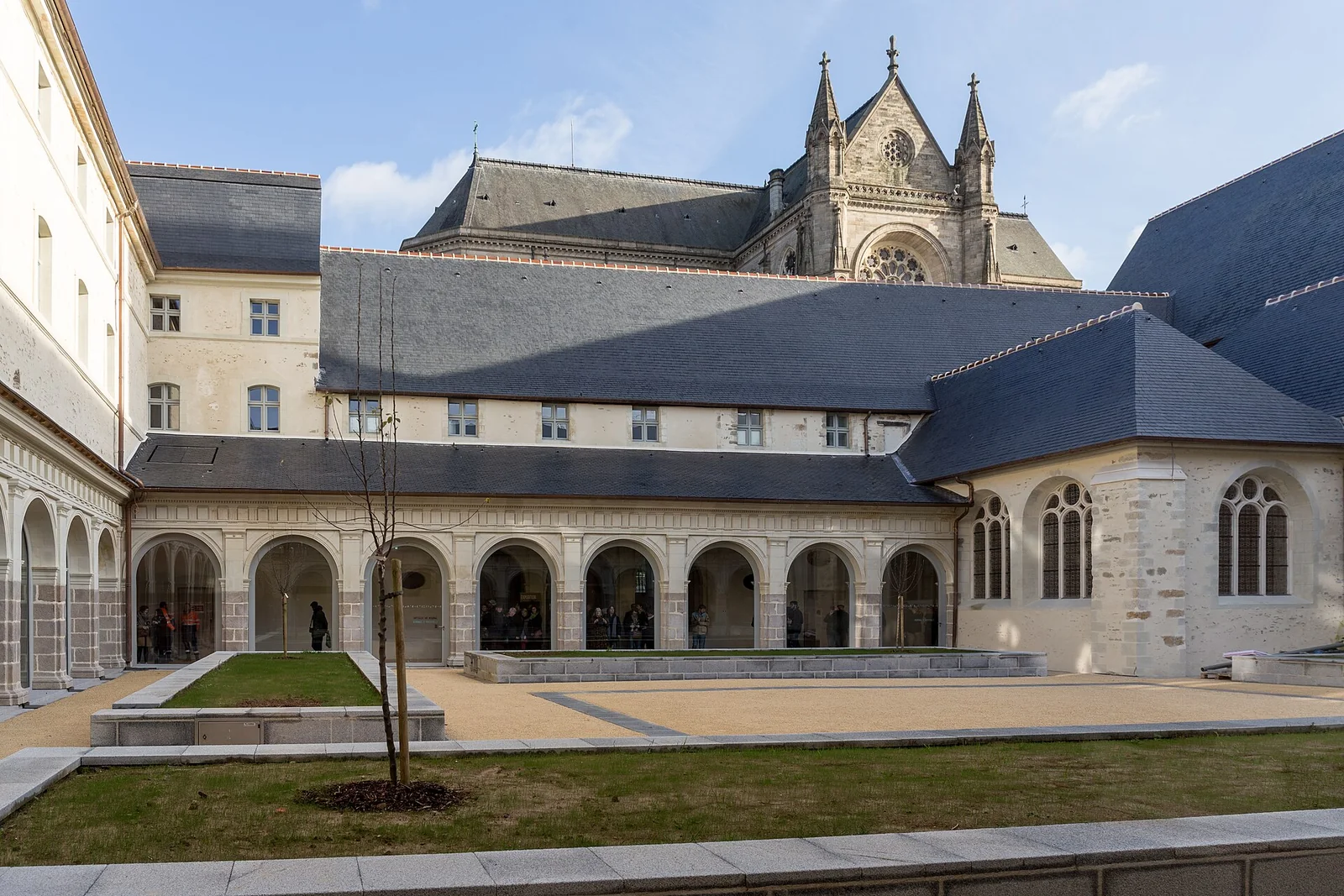
Two days in Rennes after a coach journey is enough time to get a feel for the city without turning your walk into an exhausting marathon. Mark your arrival point, accommodation and first stop on an offline map, and group attractions by neighbouring neighbourhoods. This approach leaves time to relax and prevents you from having to retrace your steps unnecessarily.
Prices and timetables are subject to change, so check the official websites of the attractions the day before your trip. When planning your trip to France, allow time for changing trains, neighbourhoods with pedestrian zones and possible queues at museums, as well as at least one spare hour for unforeseen changes.
Day one: exploring the city centre
Start at Place du Lys: as you walk, get a feel for the distances, the pace of the city and the available transport options. Your next stop is the historic centre. It’s best to leave some time between them for a coffee or lunch, rather than filling the gap with yet another museum.
Before you set off, take a screenshot of your accommodation address and the route back. Check the closing times for trams, the metro and city buses, but try to explore most of the city centre on foot if possible.
Day two: the main attraction and a relaxing finish
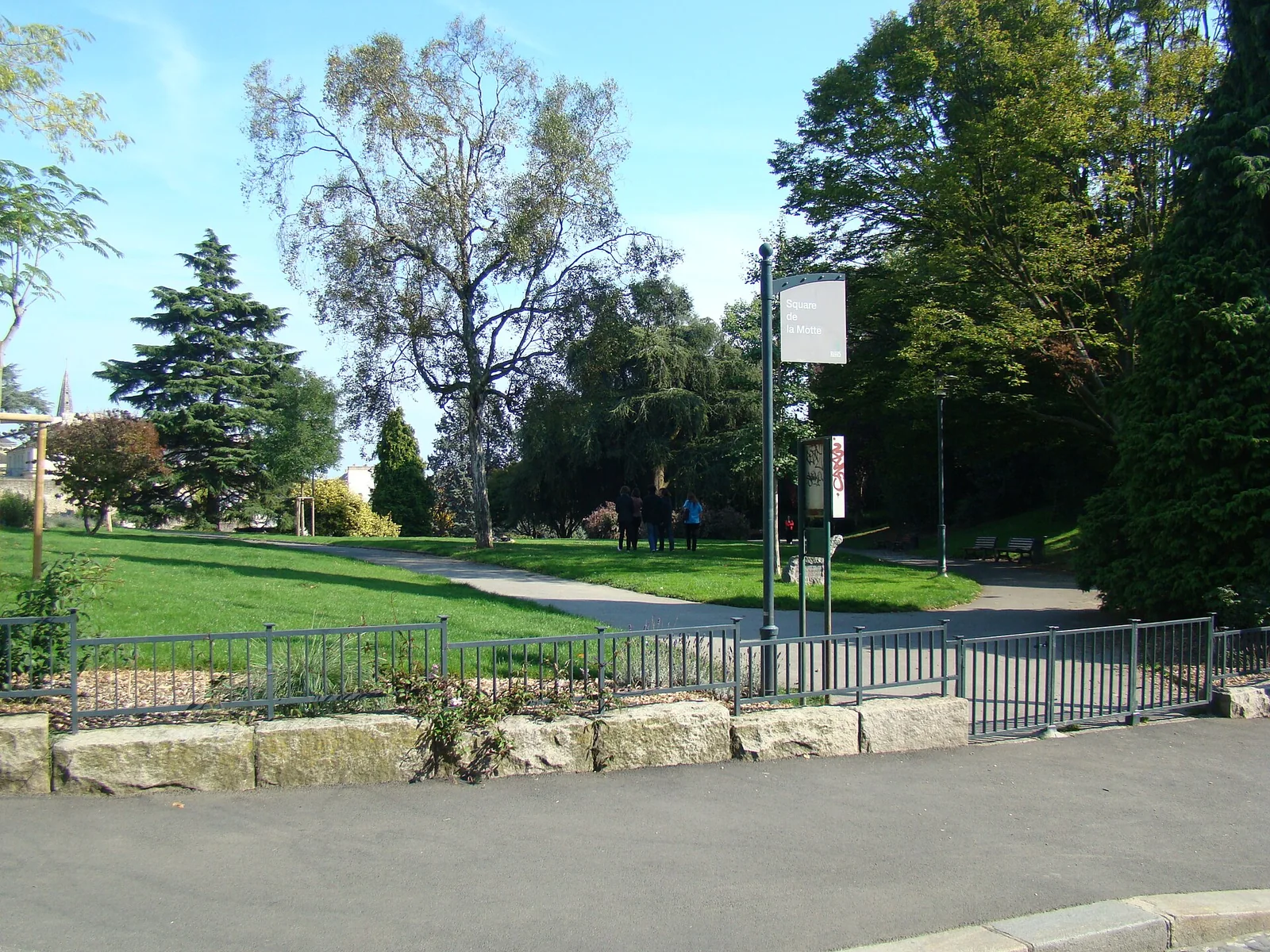
Start the second day early at Tabor Park, whilst visitor numbers are still low. After a general look around, head towards the Breton Parliament, choosing a route through residential neighbourhoods or along the waterfront, provided it doesn’t involve a major detour.
If you’re planning to leave in the evening, set a cut-off time for turning back. Add to this the queue at the left-luggage office, city traffic and ten to fifteen minutes to find a bus.

How to draw up a realistic budget
Don’t judge the cost of your trip solely by the price of museum tickets: transfers, luggage and meals often account for the bulk of your expenses. Compare single tickets with a day pass and avoid overpaying for features on a city card that you won’t use.
What to prepare before arrival
- a screenshot of your ticket, the address of your accommodation and the entrance to it;
- mark the historic centre and the Brittany Parliament on your downloaded map;
- a fully charged power bank, water and a compact raincoat;
- a backup route to the bus without complicated changes.
Useful links
To help you prepare, also read about how to plan your first day after a long coach journey, offline maps for travelling in Europe: how to set up your phone, and how to find a hotel from the coach stop. You can check routes and coach travel options on RedRay. Check the latest visitor guidelines and events calendar via the official French tourism portal and the official websites of specific attractions. Sources verified on 6 September 2026.
Questions and answers
How should I plan my 48 hours in Rennes?
Spend your arrival day exploring the city centre and open spaces, and the following morning at attractions requiring a ticket. Keep the final few hours free before your journey home.
What should I do with my suitcase before check-in?
Ask your hotel or holiday apartment if they offer early check-in. Alternatively, use an official luggage storage facility with clear rates, a receipt and convenient opening hours.
When is a travel pass worthwhile in Rennes?
A travel pass makes sense if you’re making several long journeys in a single day. If your route takes you through the compact city centre, compare the cost of the pass with two or three single tickets.
Which stops on the route should you check in advance?
Check the time slot for Parc du Tabour, the rules on carrying rucksacks and how to collect your ticket. Also, confirm the exact address of your next bus stop.