


A socket or USB port in the cabin may be occupied, faulty or provide insufficient power. Your own fully-charged power bank provides a backup for your ticket, maps and communications, but it must be stored correctly and must not be covered whilst in use.
What capacity is sufficient?
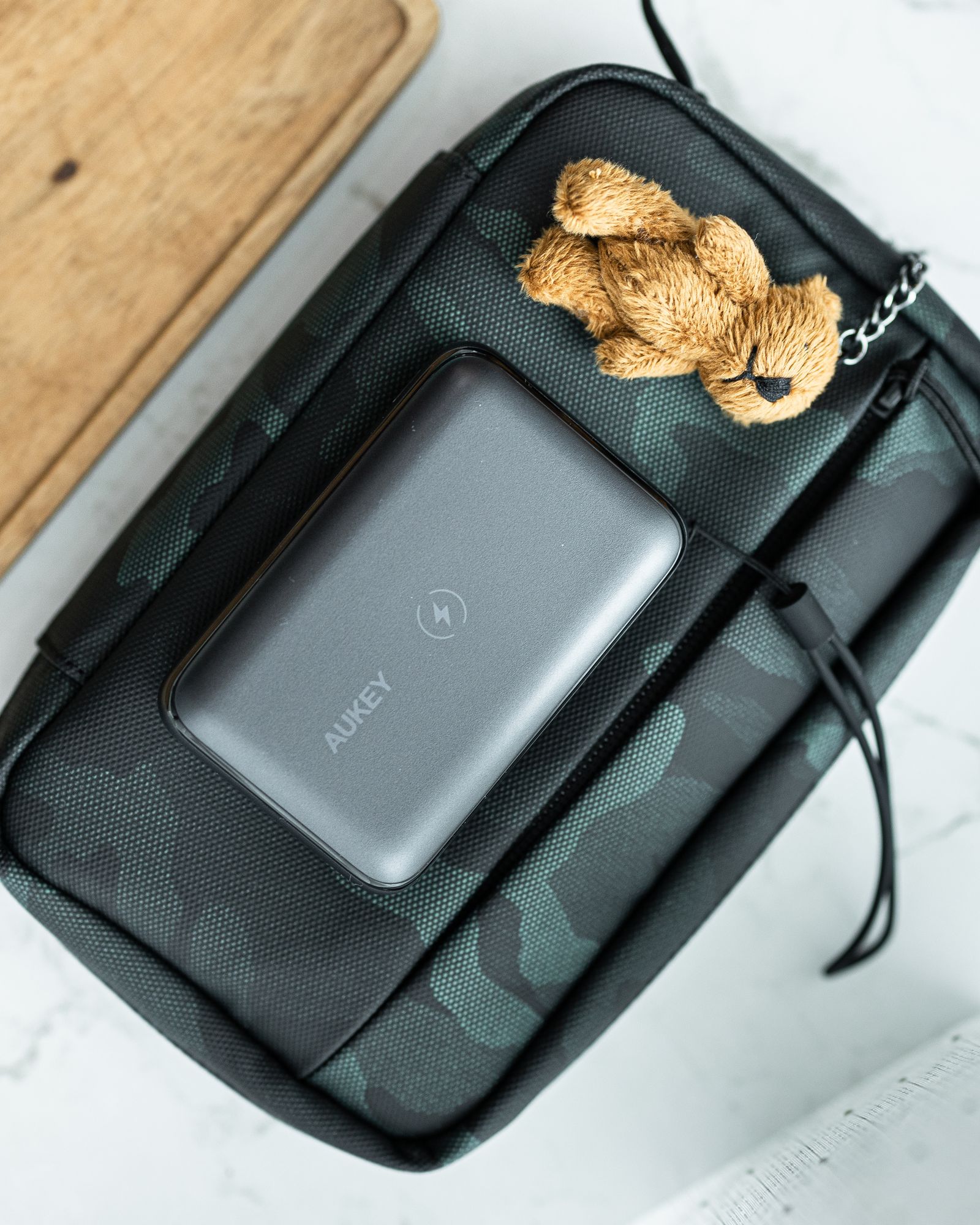
Base your choice on your phone’s battery and the length of your journey. Due to conversion losses, the actual capacity is lower than the figure stated on the casing. For a single phone, a tried-and-tested mid-range model is often more practical than a heavy device with maximum capacity.
Cable and compatibility
Check the connectors, the supported power rating and that the cable is in good working order before setting off. A short spare cable takes up very little space. Do not use a cable with damaged insulation or a loose plug.
Safe use
Keep your power bank in your hand luggage, protect the contacts from metal objects, do not leave it in direct sunlight and do not cover it with a blanket whilst charging. If the casing becomes excessively hot, is misshapen or emits an odour, stop using it.
Energy-saving plan
Download maps and tickets in advance, reduce the screen brightness, switch off unnecessary wireless functions and save some charge for when you arrive. Don’t use up all your power on videos in the first few hours.
What to check before departure
Check the date, local time, exact address of the stop and the rules of the specific transport operator. Save your ticket and map offline, tell a loved one your itinerary and keep some battery left for the journey to your boarding point. Arrange any special needs, medical equipment or non-standard luggage in writing in advance.
Checks during stops
At each stop, ask or listen carefully to find out how long the break will last, and return to the bus in good time. Before getting off, take your mobile phone, documents and money with you, but do not unpack all your hand luggage. When you return, make sure your belongings are back in their places and that the aisle and the seat next to you remain clear. This habit is particularly useful at night.
A quick checklist
- essential items are in easily accessible hand luggage;
- your documents, mobile phone and battery level have been checked;
- the exact stop is marked on an offline map;
- the transport operator’s contact details and a backup plan have been saved;
- valuables are not left unattended.
Before setting off, also check the checklist for a long journey and the list of documents required for Europe. Find the latest bus timetables on RedRay.
Frequently asked questions
Can I charge my phone and power bank at the same time?
Only if the manufacturer explicitly supports pass-through charging. Otherwise, charge the devices one at a time.
Where should I carry my power bank?
In your carry-on luggage, not deep in the hold; also check the rules of the specific carrier.