

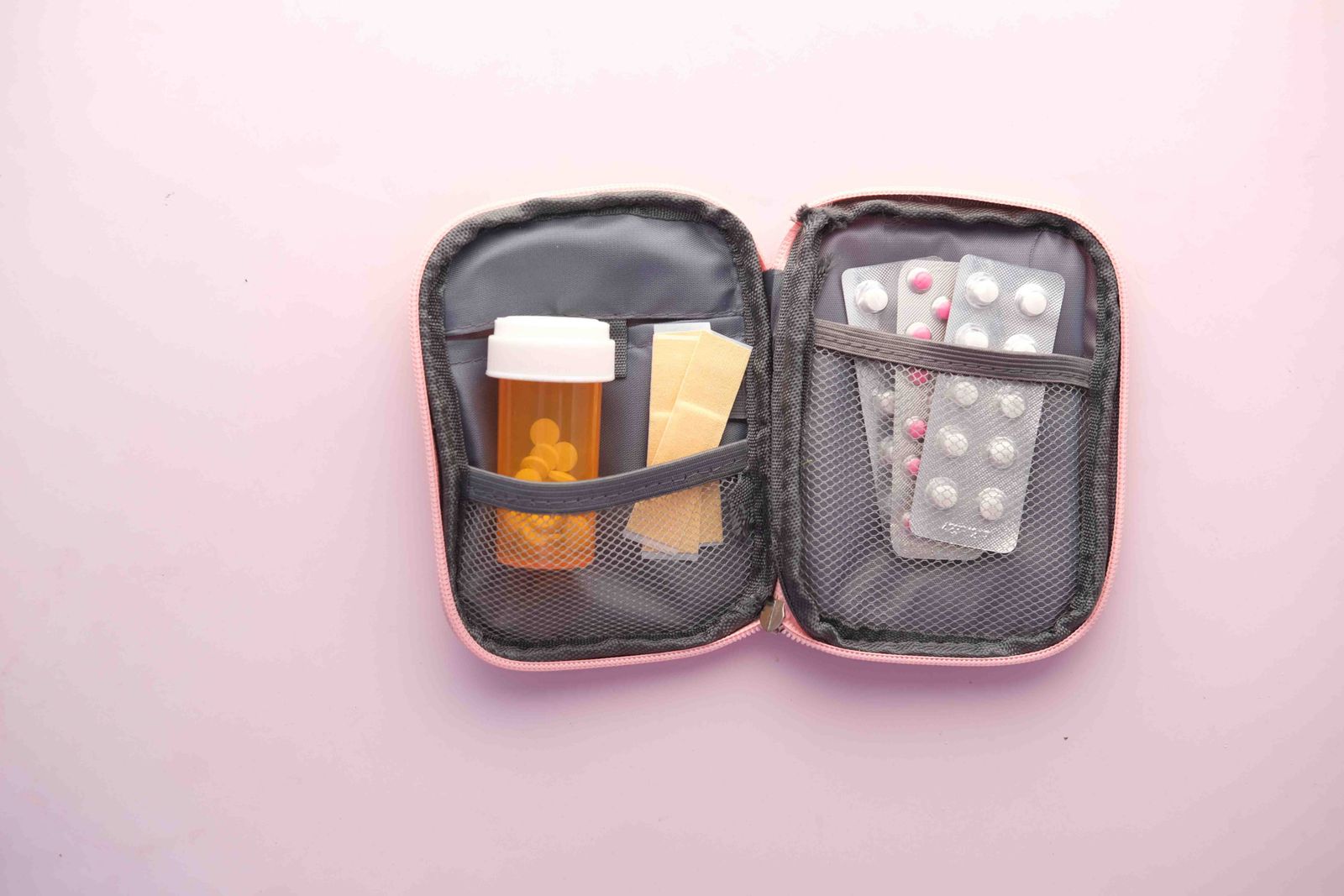
Allergies require a personalised plan, particularly when travelling abroad where there may be long stretches without access to pharmacies. The advice below is no substitute for a doctor’s consultation: your medication regimen and the steps to take in the event of a severe reaction must be agreed with a specialist before you travel.
Discuss your itinerary with your doctor
Check in advance which medicines you will need, how to store them and when to take them. Take a sufficient supply in their original packaging, along with a prescription or medical certificate if required for border control.
Keep your medicines close at hand
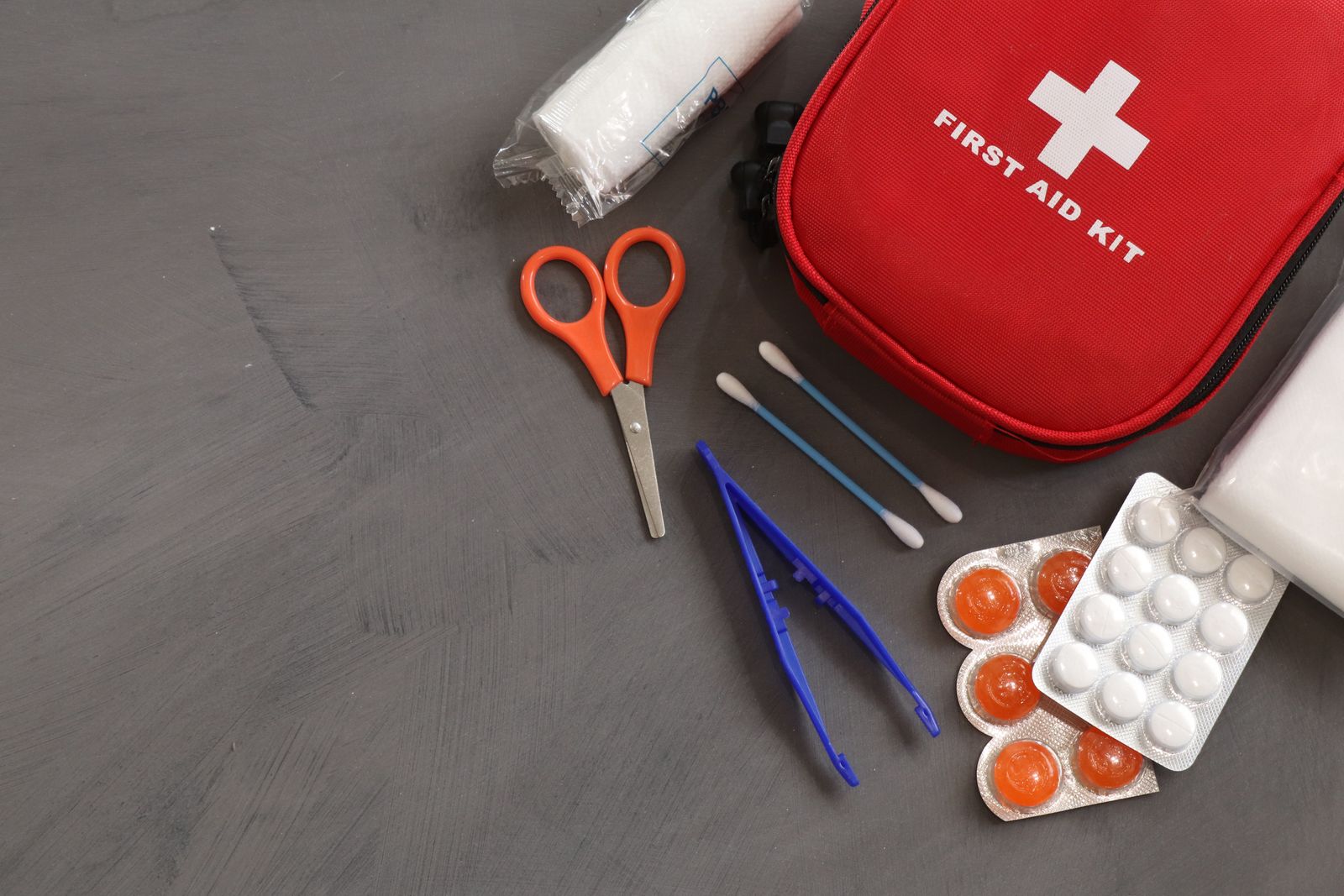
Do not pack essential medicines in your hold luggage. Keep them in an easily accessible pocket and tell a close friend or family member where they are. Check the expiry date and temperature requirements.
Food and common allergens
Take familiar snacks with clearly labelled ingredients; do not rush into trying unfamiliar foods. Wet wipes can help clean a table or armrest, but do not guarantee the complete removal of allergens.
Communication and emergency plan
Make a note of the name of your condition, allergens and medications in the language of the country you’re visiting. Have the emergency services number and your insurance contact details to hand. If you experience signs of a severe reaction, follow your personal plan and seek emergency medical assistance immediately.
What to check before you travel
Check the date, local time, exact stop address and the specific carrier’s rules. Save your ticket and map offline, inform a loved one of your itinerary and set aside some money for the journey to your destination. Arrange any special requirements, medical equipment or non-standard luggage in writing well in advance.
Checks during stops
At each stop, ask or listen carefully to find out how long the break will last, and return to the bus in good time. Before getting off, take your phone, documents and money, but do not unpack all your hand luggage. Upon returning, make sure your belongings are back in their places and that the aisle and the seat next to you remain clear. This habit is particularly useful at night.
A quick checklist
- essential items are in easily accessible hand luggage;
- your documents, mobile phone and battery are checked;
- the exact stop is marked on an offline map;
- the transport operator’s contact details and a backup plan have been saved;
- valuables are not left unattended.
Before setting off, also check the packing list for a long journey and the list of documents required for Europe. Find the latest bus timetables on RedRay.
Frequently Asked Questions
Is the transport operator required to provide a hypoallergenic environment?
It is usually impossible to fully guarantee this in a shared passenger compartment. Check the rules and available safety measures in advance.
Can I buy the medicines I need abroad?
Brand names and sales conditions vary, so it is best to take a basic supply with you after consulting your doctor.