

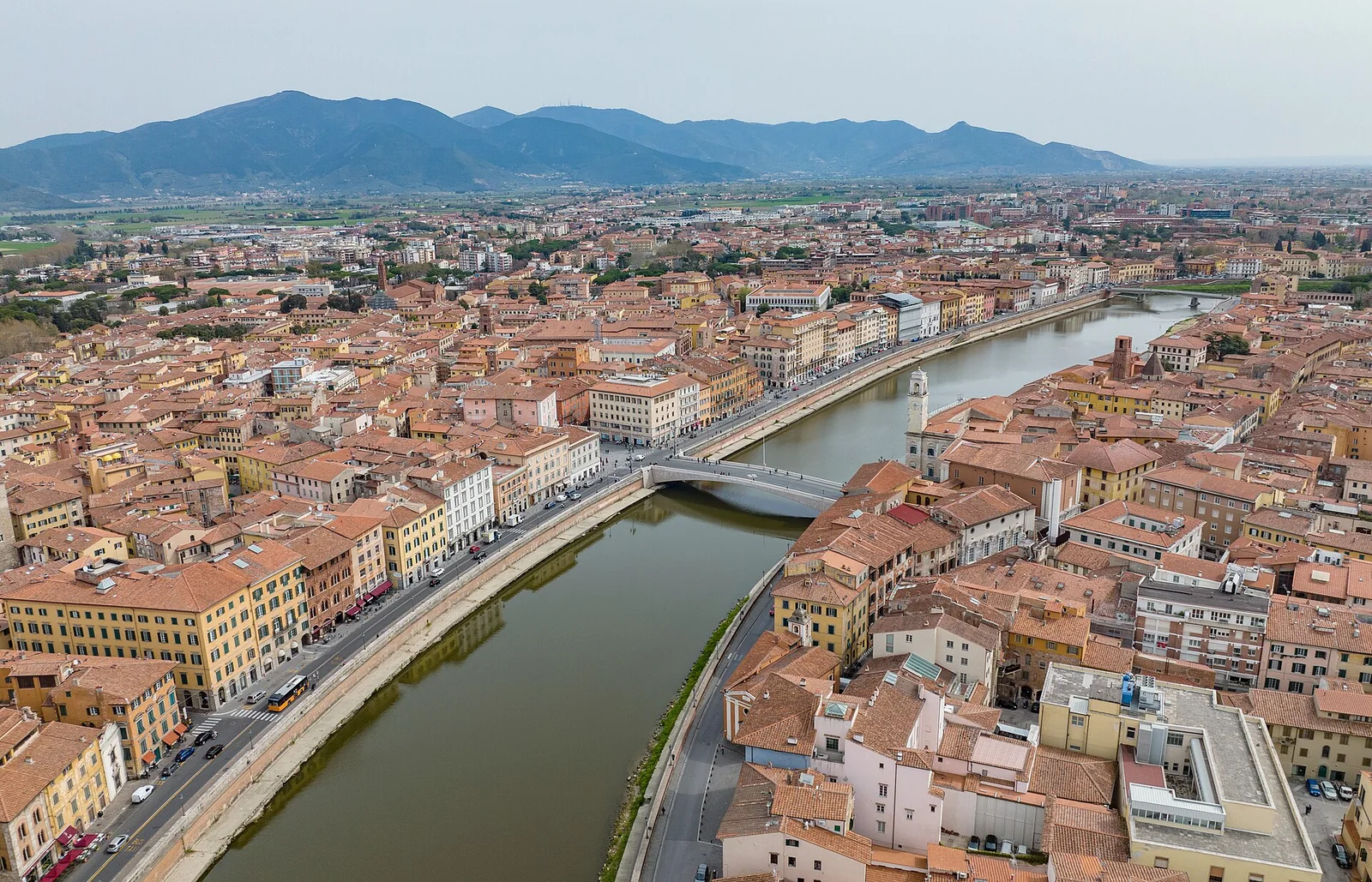
Exploring Pisa in two days isn’t about rushing, but about getting the order right. Divide your itinerary into a compact first day and a more packed second day, leaving some time to spare before your next bus. In the itinerary below, the attractions are grouped together so that you spend less time on transport and more time exploring the city itself.
Don’t tie yourself to a specific location every half hour: a delayed bus or a queue can easily throw your plans off course. When visiting Italy, it’s worth bearing in mind the cobbled streets, lunch breaks and the need to book popular attractions in advance, and leaving one optional stop that you can skip if necessary.
Day one: exploring the city centre
On the day of arrival, it makes sense to head from the Piazza dei Miracoli to the Leaning Tower of Pisa. If the bus is late, explore the first location and limit your visit to the second to a walk around the outside. Don’t try to make up for lost time by rushing between attractions.
Before setting off, take a screenshot of your accommodation address and the route back. Check the closing times for city buses, the metro and regional trains, but try to explore most of the city centre on foot if possible.
Day two: the main attraction and a relaxed finish
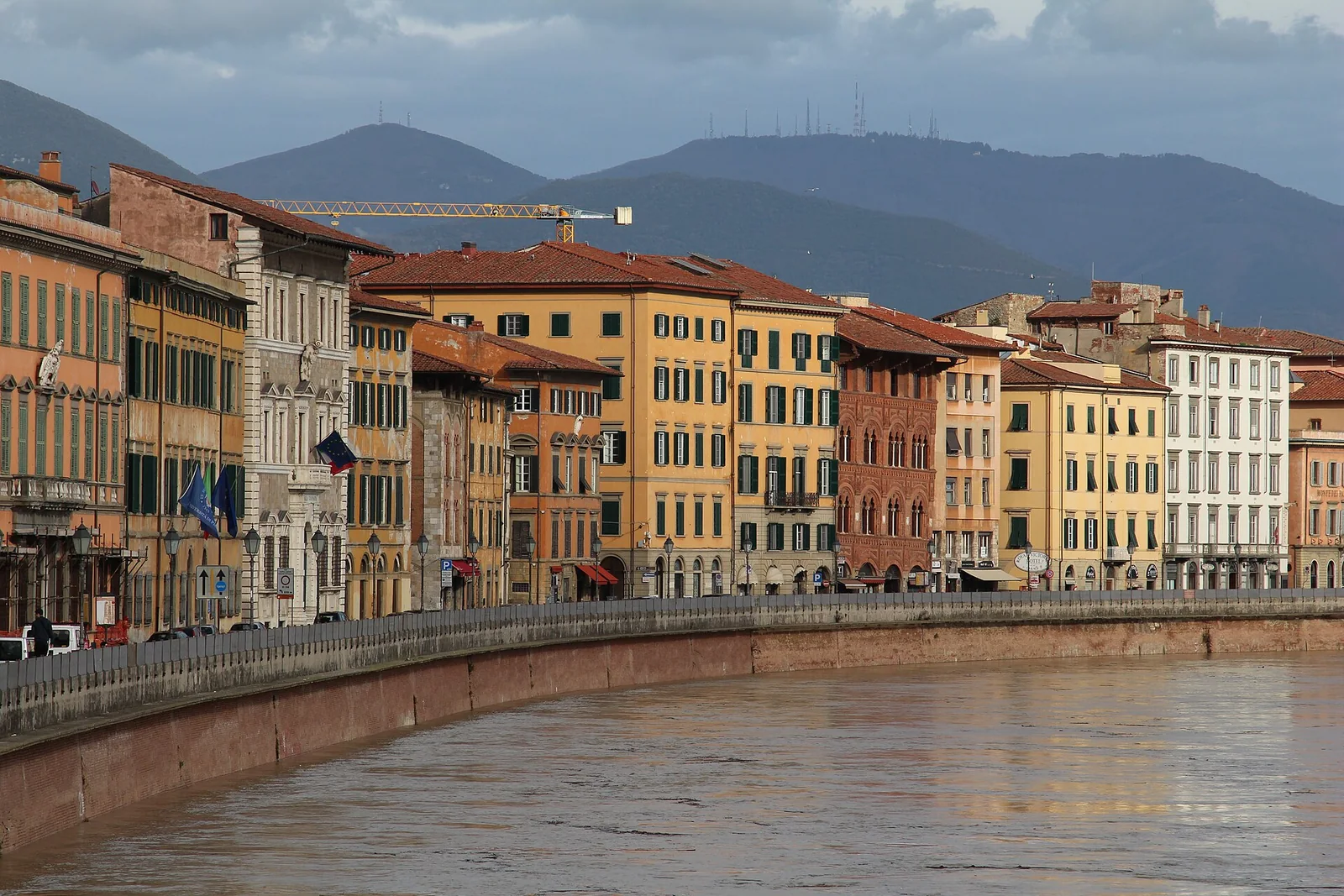
The most action-packed part of the trip begins on the Quai des Arnos and ends at Place des Cavaliers. If tickets for the first attraction are sold out, swap these two places around or take a look at the attraction from the outside — there’s no need to completely rearrange your whole day.
If your departure is scheduled for the evening, work out the latest time you need to head back. Add to this the queue at the left-luggage office, city traffic and ten to fifteen minutes to find a bus.
How to draw up a realistic budget
For a two-day trip, it’s handy to set a daily budget excluding accommodation. Include transport, water, two main meals and one paid attraction. Keep a separate allowance for taxis or an unexpected visit to a left-luggage office.
What to prepare before arrival
- a screenshot of your ticket, the arrival address and the entrance to your accommodation;
- mark the Leaning Tower of Pisa and Piazza Cavallieri on your downloaded map;
- a fully charged power bank, water and a compact raincoat;
- a backup route to the bus without complicated changes.
Useful links
To help you prepare, also read ‘Ukraine–Italy bus: how to prepare for an international journey’, ‘Ukraine–Italy bus: route, luggage and plan B’, and ‘How to plan your first day after a long bus journey’. You can check timetables and bus travel options on RedRay. Check the latest visitor guidelines and events calendar via Italy’s official tourism portal and the official websites of specific attractions. Sources verified on 6 September 2026.
Questions and Answers
How should I organise my 48 hours in Pisa?
Set aside your arrival day for the city centre and open spaces, and the morning of the following day for ticketed attractions. Keep the final few hours free before your journey home.
What should I do with my luggage before check-in?
Ask your hotel or holiday apartment if they offer early luggage drop-off. Alternatively, use an official luggage storage facility with clear rates, a receipt and convenient opening hours.
When is a travel pass worth it in Pisa?
A travel pass makes sense if you’re making several long journeys in a single day. If your route takes you through the compact city centre, compare the cost of the pass with two or three single tickets.
Which stops along the route should you check in advance?
Check the time slot for the Arno Embankment, the rules on carrying rucksacks, and how to collect your ticket. Also, check the exact address of your next bus stop.