

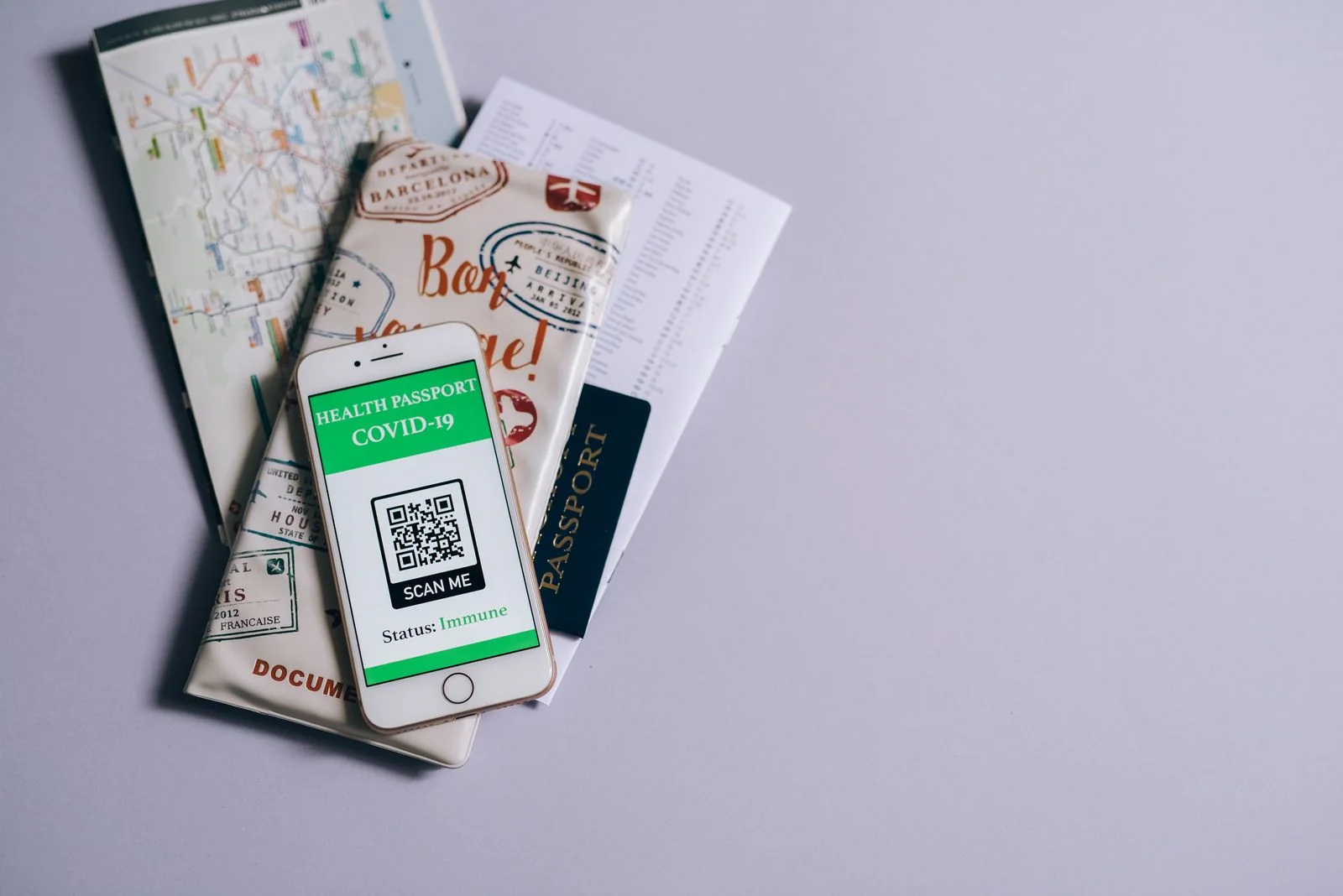
First, distinguish between what you can check yourself and matters that require confirmation from the relevant authority or transport operator. At the border, the decision depends on your route, nationality, purpose of travel and the current regulations of the country you are entering. Prepare your supporting documents in advance, but remember: the final assessment is made by the relevant authorities.
What to do before your trip
Check the rules on the websites of border control, customs and consular authorities specifically for your route. Organise your documents in an easily accessible folder, make offline copies and prepare brief, truthful answers. Do not conceal items that are subject to declaration or inspection.
- tourism
- visitors
- work
- study

Step-by-step plan
Draw up a short list of facts: what you already know, what’s missing and where to find out more. Work through it systematically, without mixing several issues in a single enquiry.
Keep a copy of the key information offline and have a backup plan in case the main approach doesn’t work.
Useful links
Read more about documents for travel to Europe, responses to customs officials, and a document folder. Current flight schedules are available on RedRay. For rules that may change, refer to the European Commission’s official materials on customs restrictions and the official resources of your destination country. Sources verified on 6 September 2026.
Questions and answers
Tourism: what should you do?
Explain the purpose of your trip briefly and truthfully: tourism, visiting friends or relatives, work or study.
Visiting friends or family: how to prove it?
Prepare documents that correspond specifically to the stated purpose, rather than a random collection of bookings.
Work: when to prepare?
Your accommodation address, the host’s contact details and your return itinerary must all be consistent with one another.
Study: where to check?
The final decision is made by the border authorities, so check the requirements for your nationality and itinerary.