

A major event can make a city more interesting, but it can also disrupt people’s usual movements and access to the streets. You need to be prepared, even if you’re not planning to attend the festival.
What to consider in advance
Check the official announcements from the city, the event organisers and the transport operator for the relevant day. Work out the location of the event in relation to your accommodation and the nearest bus stop. Don’t rely on an old photo of an empty square if a stage is being erected there or access is restricted.
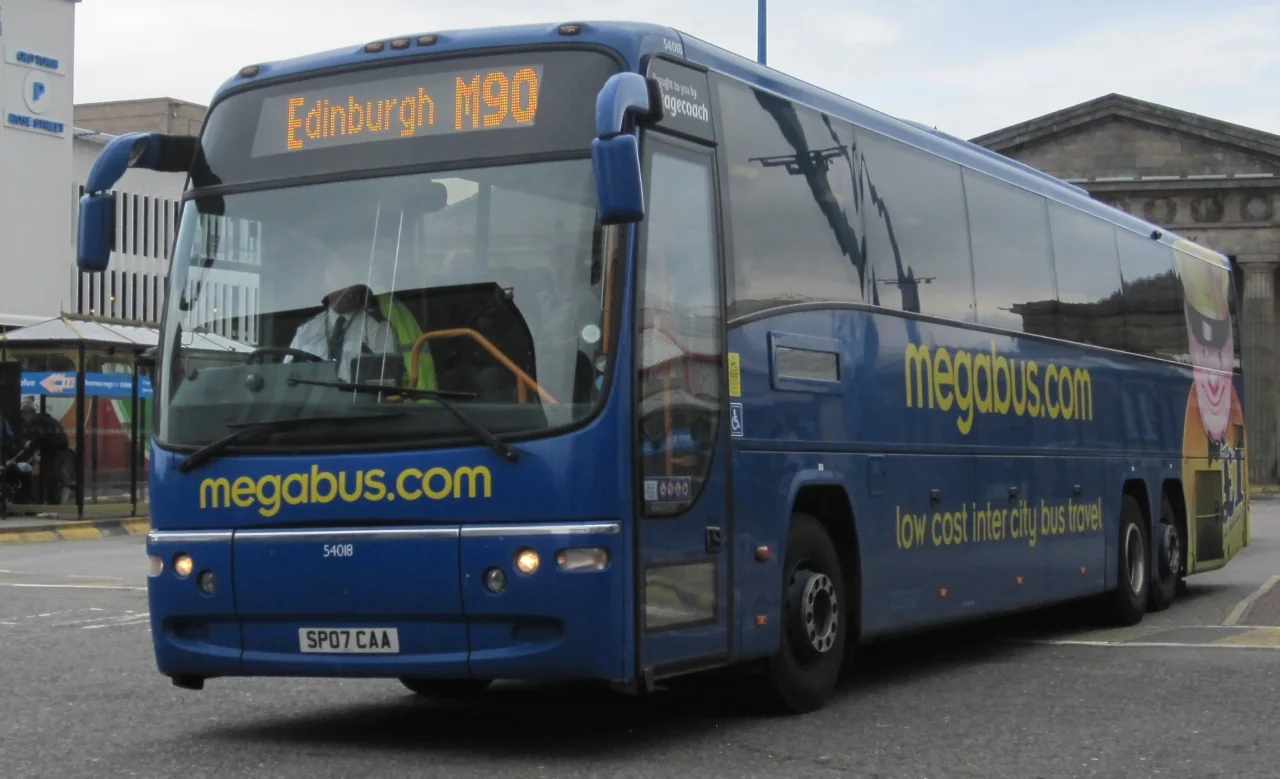
How to apply this when travelling
For your return journey, choose a tried-and-tested route and a backup meeting point away from the biggest crowds. Don’t agree to meet ‘by the entrance’ if there are several entrances. Confirm any important changes to bus stops with the transport operator, rather than relying on rumours in the crowd.
Check before taking the next step
Plan your day in the city from the moment your luggage is safely stowed and you’re ready to explore, rather than from the bus departure time on your ticket. Choose a main destination and a short alternative. Before paying for an attraction, check the opening hours, entrance address and session details directly with the venue.
Useful information before your trip
Also check: what documents are required for a coach journey to Europe, how to prepare for a night-time coach journey, and the rules for carrying luggage on a coach. Find the latest coach services and route options on RedRay.
Photo sources: image 1 (CC BY-SA 4.0), image 2 (CC BY-SA 2.0).
Questions and answers
What should you check, even if you’re not planning to go to a festival?
Do the festival’s restrictions affect your stop, access to accommodation and walking route?
What should you cut from your itinerary when time is running short?
Extra journeys and non-essential stops; make sure you allow enough time to get back to your bus.
When should you check your route and stop for the last time?
Check your journey after booking, again 24 hours before departure, and once more before heading to the stop. Save your journey number and the transport operator’s confirmation offline.
How much time should you allow before boarding the bus?
Follow the carrier’s recommendations and allow extra time for public transport, finding the platform and checking your documents. For international journeys, it’s better to arrive early than to plan a tight connection.