
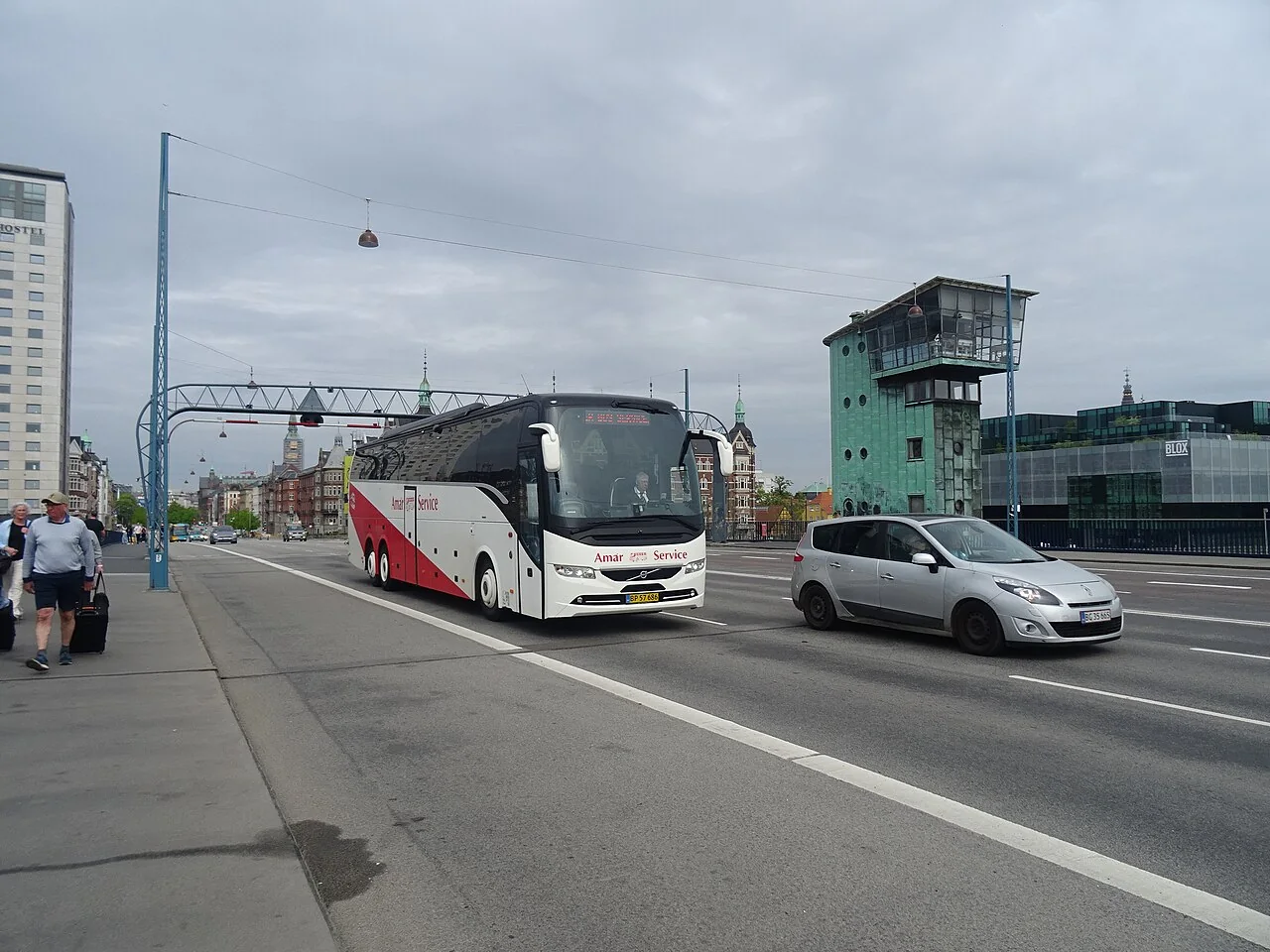
The topic of ‘Fragile items in bus luggage’ requires not a long list of random tips, but a systematic approach. At the heart of the plan is either avoiding risky transport or ensuring secure packing. Passengers must be able to visualise the entire journey, from leaving home to the moment their luggage is left at their accommodation or handed over to the next party. The most common risk in such a situation is expecting careful handling without prior agreement. It is easier to sort this out before payment than to rectify it at the bus. Below is a practical guide that can be adapted to a specific journey, group composition and season. It does not replace the carrier’s rules, border requirements or booking conditions: variable details must be checked against official sources immediately before the trip.
Purpose and scope of the plan
Break the tasks down into three levels: mandatory for boarding, necessary for comfort, and desirable for the itinerary. The first level includes valid documents, the correct ticket, the correct stop and compliance with the rules of the specific journey. The second level includes avoiding risky transport or ensuring secure packing, as well as access to water, communication and essential items. The rest can be cut back without jeopardising the journey itself. When there is a risk of ‘expecting delicate handling without prior agreement’, refer back to this hierarchy. Don’t spend the last hour fine-tuning the route if you haven’t checked the pick-up address. A short priority list works better than a long note where urgent matters get lost amongst the non-essential.
What to check before booking
Check not just the individual coach, but the chain of actions surrounding it. The journey to the stop, time allowed for public transport, finding the platform, boarding, stops en route, collecting luggage and the journey after arrival all form a single scenario. It is precisely at these junctures that the problem of ‘expecting careful handling without prior agreement’ most often arises. For each juncture, identify the person responsible, the necessary document and the deadline for a decision. If you are travelling alone, it is still worth noting down the role of the person responsible as a specific action for yourself. To avoid risky transport options or ensure secure packing, it’s useful to have a buffer not just in minutes, but also in terms of alternatives: an alternative city route, an offline copy of the address, or the option to omit a non-essential stop.
How to gather information in one place
Compare all prices based on the same set of services. Add to the ticket price the cost of luggage, travel to a remote stop, food during a long wait, possible luggage storage and overnight accommodation if the arrival time is inconvenient. This doesn’t mean the cheapest journey is a bad one; you simply need to see its full cost for your specific situation. The issue of ‘fragile items in your luggage on the coach’ can easily turn into an expectation of careful handling without prior agreement if you don’t have a financial buffer. Set aside an amount that you won’t spend on entertainment until your key journeys are complete. The reserve should be accessible through legitimate means, but shouldn’t be kept entirely in a single wallet or on just one payment method.
Realistic time estimates
Pack your travel kit so that it works without a stable internet connection. Save your ticket, boarding address, flight number, the contact details of the seller or carrier, accommodation confirmation and a brief plan for after arrival offline. Name the files using the date and destination, and keep old versions separate from the current ones. Do not send copies of documents to random chat groups and do not publish QR codes. For the task of ‘avoiding risky transport or ensuring secure packing’, a minimal set of data is sufficient to act upon. This approach does not guarantee that there will be no changes, but it prevents the problem of ‘expecting careful handling without prior agreement’ from escalating simply because of a flat battery or a poor signal.

A budget with no hidden costs
Have a practice run at home. Dress as you would for boarding, gather all your belongings, open your ticket, and try to retrieve your ID, water and charging cable without unpacking your suitcase. Then imagine a platform change or a short stop. If the system is awkward at home, it will work even worse in a crowd. A rehearsal helps you check whether to avoid risky items or ensure secure packing without any real rush. It also reveals whether you’re unwittingly creating the risk of ‘expecting careful handling without prior agreement’. After the test, don’t automatically add new items: first rearrange what’s there, remove duplicates and only then decide what’s really missing.
Documents and confirmation
Start by formulating the outcome: after checking, you must clearly understand whether to avoid risky transport or ensure secure packaging. Write down your decision in a single sentence, and next to it note where it comes from and when it was last checked. Do not confuse a confirmed fact with an assumption. The time on a ticket, a carrier’s response, a mark on a map and advice from another traveller vary in reliability. When it comes to ‘fragile items in bus luggage’, it is particularly important to avoid a situation where you ‘expect careful handling without prior agreement’. If a key question remains unanswered, leave it open and do not make any non-refundable bookings based on it. This approach may seem slower at first, but it reduces the number of last-minute decisions you’ll have to make whilst travelling.
Luggage and items carried in the coach
Break the tasks down into three categories: essential for boarding, necessary for comfort, and desirable for the itinerary. The first category includes valid documents, the correct ticket, the exact stop, and compliance with the rules of the specific journey. The second level includes avoiding risky transport of items or ensuring they are securely packed, as well as access to water, communication and essential items. The rest can be cut back without jeopardising the journey itself. When there is a risk of ‘expecting special treatment without prior agreement’, refer back to this hierarchy. Don’t spend the last hour fine-tuning the route if you haven’t checked the drop-off address. A short priority list works better than a long note where urgent matters get lost amongst the non-essential.
Actions on the day of departure
Check not just the individual coach, but the chain of actions surrounding it. The journey to the stop, the buffer time for public transport, finding the platform, boarding, stops en route, collecting luggage and the journey after arrival all form a single scenario. It is precisely at these junctures that the problem of ‘expecting careful handling without prior agreement’ most often arises. For each juncture, identify the person responsible, the necessary document and the deadline for a decision. If you are travelling alone, it is still worth noting down the role of the person responsible as a specific task for yourself. To avoid risky transport options or ensure your luggage is packed securely, it’s useful to have a buffer not just in minutes, but in terms of alternatives: an alternative city route, an offline copy of the address, or the option to skip a non-essential stop.
Behaviour during the journey
Compare all prices based on the same set of services. Add to the ticket price the cost of luggage, travel to a remote stop, food during a long wait, possible luggage storage and overnight accommodation if your arrival time is inconvenient. This doesn’t mean the cheapest journey is a bad one; you simply need to see its full cost for your specific situation. The issue of ‘fragile items in your luggage’ can easily turn into an expectation of careful handling without prior agreement if you don’t have a financial buffer. Set aside an amount that you won’t spend on leisure until your key journeys are complete. This reserve should be accessible through legitimate means, but shouldn’t be kept entirely in a single wallet or on just one payment method.

Plan for after arrival
Put together a travel pack so that it works without a stable internet connection. Save your ticket, pick-up address, flight number, the seller’s or carrier’s contact details, accommodation confirmation and a brief plan for after arrival offline. Name the files using the date and destination, and keep old versions separate from the current ones. Do not send copies of documents to random chat groups and do not post QR codes. For the task of ‘avoiding risky transport or ensuring secure packing’, a minimal set of information is sufficient to guide your actions. This approach does not guarantee that there will be no changes, but it prevents the problem of ‘expecting careful handling without prior agreement’ from escalating simply because of a flat battery or a poor connection.
Contingency plan
Have a practice run at home. Dress as you would for boarding, gather all your belongings, open the relevant ticket and try to retrieve your ID, water and charging cable without unpacking your suitcase. Then imagine a platform change or a short stop. If the system is awkward at home, it will work even worse in a crowd. A rehearsal helps you check whether to avoid risky items or pack securely without any real time pressure. It also reveals whether you’re unwittingly creating a risk of ‘expecting delicate handling without prior agreement’. After the test, don’t automatically add new items: first rearrange the contents, remove duplicates and only then decide what’s really missing.
Final check
Start by formulating the outcome: after the check, you should have a clear understanding of whether to avoid risky transport or ensure secure packaging. Write down your decision in a single sentence, and next to it note where it comes from and when it was last checked. Do not confuse a confirmed fact with an assumption. The time on the ticket, the carrier’s response, a note on the map and advice from another traveller vary in reliability. When it comes to ‘Fragile items in bus luggage’, it is particularly important to avoid a situation where you ‘expect careful handling without prior agreement’. If a key question remains unanswered, leave it open and do not make any non-refundable bookings based on it. This approach may seem slower at first, but it reduces the number of last-minute decisions you’ll have to make whilst travelling.
Useful resources
To help with your preparations, also refer to the resources on documents required for coach travel, night coach journeys and luggage transport regulations. Check journey options on RedRay, and verify the final terms and conditions in the documents provided by the specific seller and carrier.
Photo sources: image 1 (CC BY-SA 4.0), image 2 (CC BY-SA 4.0), image 3 (CC0).
Questions and answers
Where should I start when preparing for the topic ‘Fragile items in bus luggage’?
First, note down your destination, ticket or preferred journey, the exact stop and any unresolved issues. After that, check separately whether to avoid transporting fragile items or to ensure they are securely packed.
What mistake should you avoid above all else?
Do not allow a situation where you ‘expect careful handling without prior agreement’. Check the entire journey and do not rely on unconfirmed assumptions.
When should you double-check the information?
After booking, one day before departure and immediately before setting off for the stop. Check for any updates via the official channel.
How much time should you allow before boarding?
Follow the carrier’s recommendations and allow extra time for public transport, finding the platform and checking your documents. For international flights, arrive well in advance.