

After entering the Schengen area, a passenger sometimes puts documents deep inside a suitcase: the next bus travels “between European countries”, so supposedly there will be no more checks. However, the absence of routine permanent internal border checks does not mean documents need not be accessible or identity checks are impossible. Preparation depends on your nationality, status and actual route.
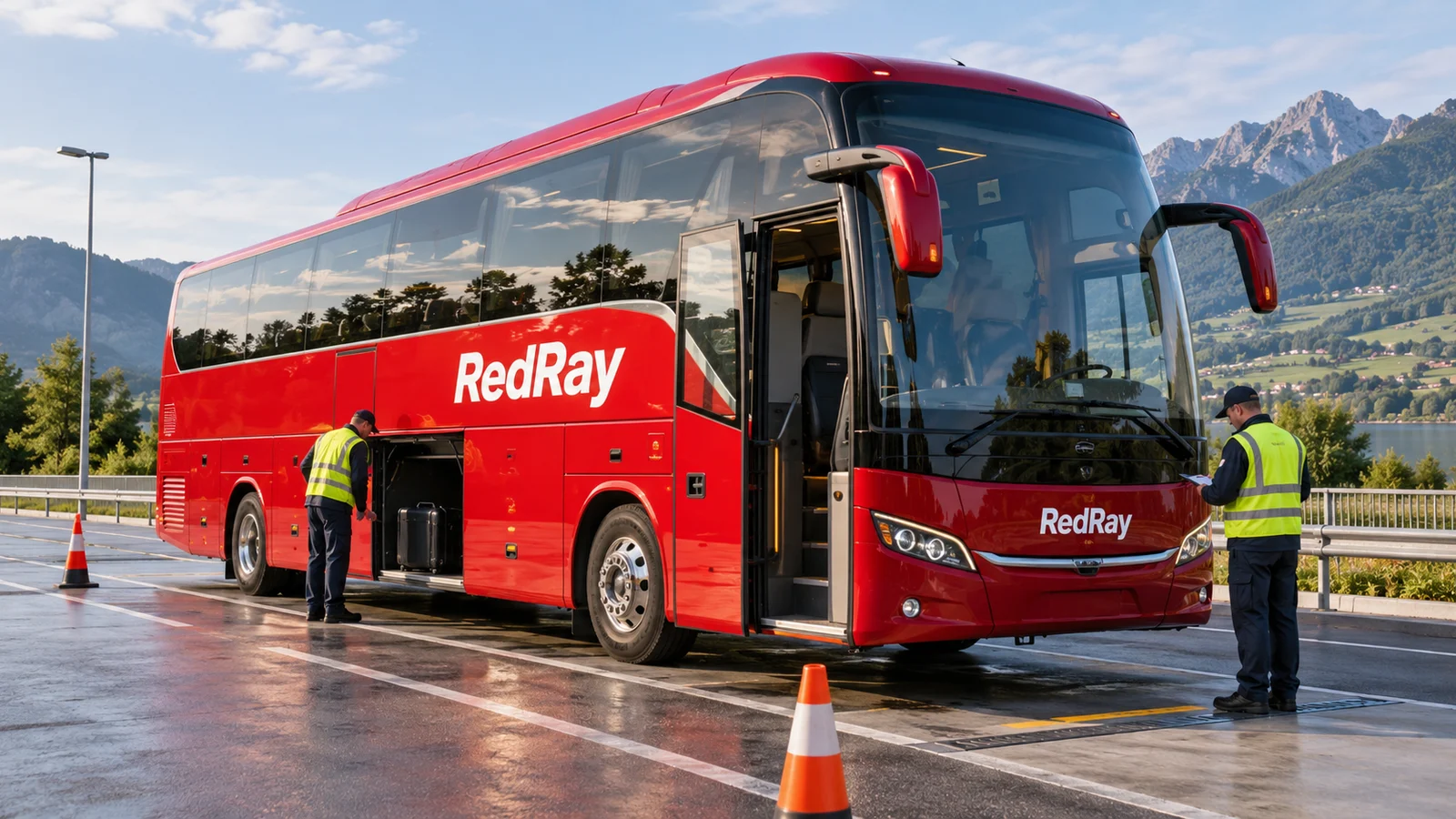
The official Your Europe portal explains the possibility of temporary checks at internal Schengen borders. Identity checks and requirements of the state concerned may also apply separately. This article does not list restrictions in force today or determine an individual passenger’s right to stay. It helps organise documents and conduct if a bus is checked during such a journey.
Do not equate the EU, Schengen and personal status
Do not use “Europe”, “the European Union” and “the Schengen area” as one universal answer about documents. Check every country on the particular bus route and any possible travel outside the relevant territory. A line on a map does not explain every condition, particularly if the route transits another state.
Likewise, having a passport, visa or residence document needs checking in the context of your case. Do not conclude that any document issued by one country automatically permits every type of trip, work or unlimited stay in another. If your status is unclear, clarify requirements with competent authorities before buying, not during a bus stop.
The ticket seller helps with the route and purchase but cannot replace individual verification of your right to travel. “Does the bus run?” and “Are my documents sufficient?” are different questions. Do not treat confirmation of a service as permission to cross every route section or a guarantee of an official check’s outcome.
Prepare documents for your circumstances
Check official requirements for your nationality and status. Different explanations may apply to EU citizens and other nationals, so open the relevant section of the official resource. If travelling with a child, establish their document set separately. Do not assume an adult’s document covers every issue concerning other family members.
Keep required originals in an accessible place under your control. Do not put them in a suitcase in the hold merely because you believe this is an “internal journey”. A backup copy may help explain circumstances after loss but is not a universal substitute for an appropriate document. Establish the procedure without an original officially.
Check that your basic details in the ticket and documents match under the conditions of the particular journey. If your surname changed or a document was renewed, resolve this in advance. Do not manually edit PDF text. The issued document and system record do not change because you edited a local file on your phone.
If a check begins during the service
Listen to responsible employees’ instructions and do not have the whole group stand up unnecessarily. Prepare your own document when required and present it appropriately. Do not hand over someone else’s passport on the basis that “all the covers look the same”. If one person holds documents, everyone should understand exactly which one they receive for the check.
Answer the question asked truthfully and briefly. If you do not understand the language or a term, ask for an explanation or clarify an available translation method. Do not copy a neighbour’s answer about their travel purpose or address if your circumstances differ. Sharing a bus journey does not mean every passenger has the same personal status.
Do not begin by claiming “they have no right to check within Schengen”. General information about internal borders does not let you independently determine the authority for a particular check on site. If you have questions about its grounds or procedure, calmly ask the responsible employee. Do not try to resolve a disagreement by refusing to read official instructions.
If your document is in the luggage hold
Say so immediately and ask how to retrieve it. Do not leave the bus or open the hold yourself without agreement. The stopping place may be a staff-only area or unsafe for passengers. The crew need to know you require access to belongings, but further actions must follow the instructions of those conducting the check.
If your document is with a companion elsewhere in the cabin, explain this without unnecessary disclosure. Do not shout a passport number across the bus or forward a photograph to the general chat. An organisational issue can be resolved directly. If a person with reduced mobility or a child needs help, tell the responsible employee.
After the document is returned, check the photograph and your basic details before putting it away. Report any mismatch immediately. Do not continue travelling with someone else’s passport hoping to exchange it after arrival. Accurate control of your own document set matters even after a brief check that appears a formality.
How to coordinate onward plans without false guarantees
A check can affect actual bus movement, but estimating its duration from past experience is unreliable. Do not promise the person meeting you an exact minute merely because “this is always quick”. Communicate the known journey status and agree to update them after movement resumes, when permitted and safe.
Check purchase conditions separately for the next bus connection. A delay to one service does not automatically mean another document can be exchanged. If the risk is already clear, contact the responsible seller and establish available actions. Keep messages and a factual chronology, but do not count in advance on guaranteed reimbursement of all alternative expenses.
If a personal issue needs further clarification, maintain contact with the crew in a permitted way. Do not leave the checking location without authorisation for boarding or a call. Clarify where to wait, who knows your situation and how belongings will be handled. Service arrangements and official procedures must be coordinated rather than replace each other.
What not to do to “simplify things”
- Do not use another person’s document or an altered file instead of your own original.
- Do not send passport photographs to random intermediaries promising to arrange passage.
- Do not conceal your actual route on the assumption it concerns nobody inside the area.
- Do not share photographs of other passengers’ documents or official lists in open chats.
Do not turn this preparation into an excessive collection of unverified certificates. The task is to establish applicable requirements, not gather everything recommended on different forums. If sources conflict, check their dates, nationality, status and route type. Another person’s old post does not replace a current official explanation for your case.
Before a new journey, repeat the check for its actual countries and dates. Do not treat a successful past trip as permanent permission for every future one. Rules and temporary measures may change, and your documents may have a different validity period. Keep your own necessary set and verified contacts, not someone else’s promise that “nobody checks”.
Questions and answers
Can a bus be checked between Schengen countries?
Yes. The official Your Europe portal explains the possibility of temporary internal border checks. Do not assume documents will be unnecessary during every internal journey.
Does a passport copy on a phone always replace the original?
No. A copy may be backup material, but appropriate documents are determined by your route and status requirements. Do not plan a trip on the assumption of a universal substitute.
Does a residence document from one country guarantee any trip to another?
Do not draw that conclusion without checking. Establish applicable requirements for the specific status, nationality, purpose and route through competent official sources.
What if my passport is in a suitcase in the hold?
Tell the responsible employee and ask about the permitted access procedure. Do not get out or open the hold without authorisation during a check.
Official sources
Check the Your Europe sections on documents for non-EU nationals and travel documents for Europe. Sources reviewed on 21 October 2026. Clarify a particular state’s current measures with its competent authorities; this article is not permission to enter or stay.