


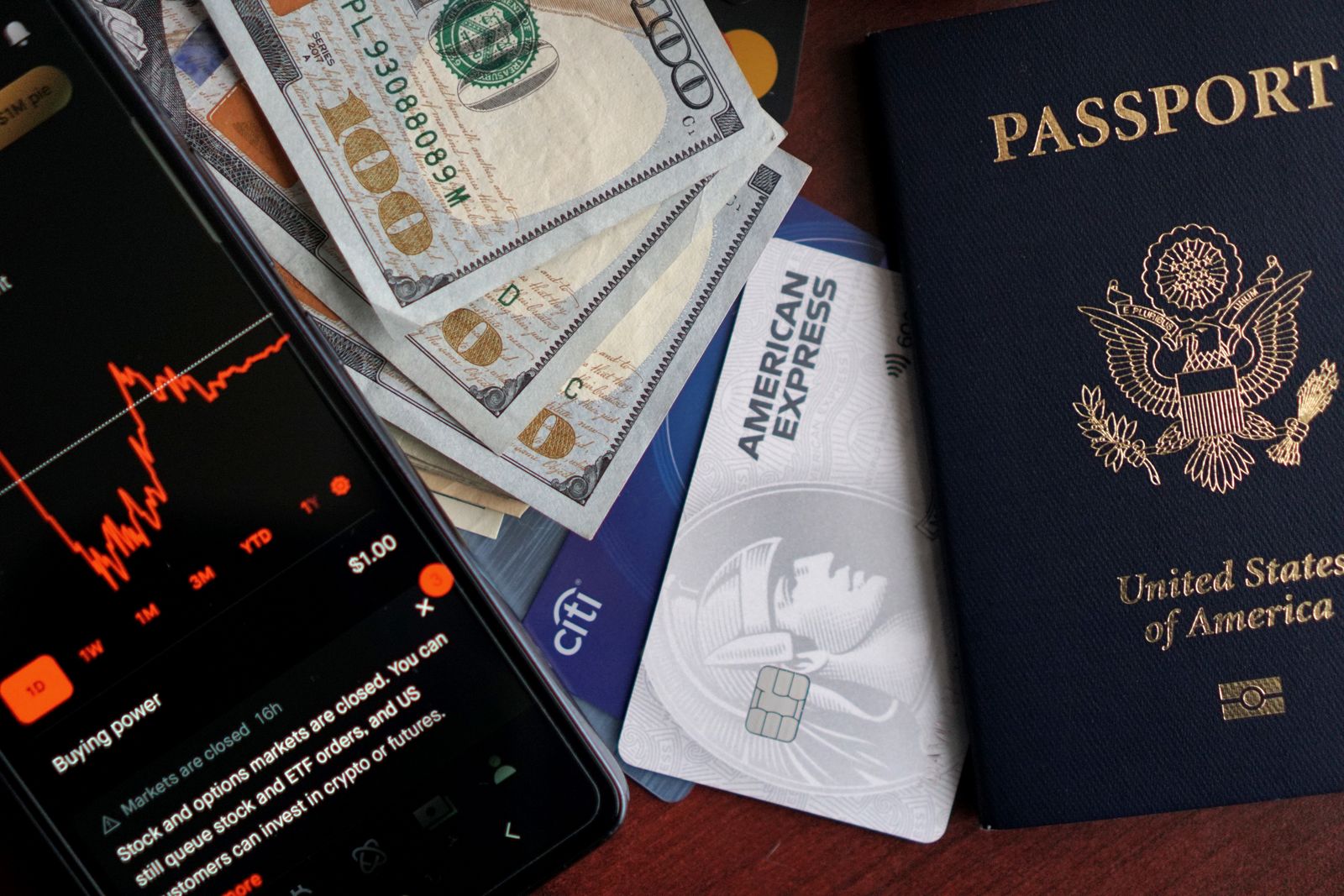
When travelling abroad, the best approach is not to choose between a card and cash, but to spread the risk. A card makes large and contactless payments easier, whilst a small amount of local currency comes in handy where a payment terminal isn’t working or you need change.
Main card and backup
Take two cards, preferably from different banks or payment schemes, and keep them separate. Check your spending limits, overseas transaction fees and the bank’s helpline number. Never keep your PIN with your card.
How much cash do you need?
Plan for transport from the coach station, one or two inexpensive purchases and an unexpected delay. A large amount of cash creates unnecessary risk. For countries outside the eurozone, do not assume that euros will be accepted everywhere.
Fees and currency conversion
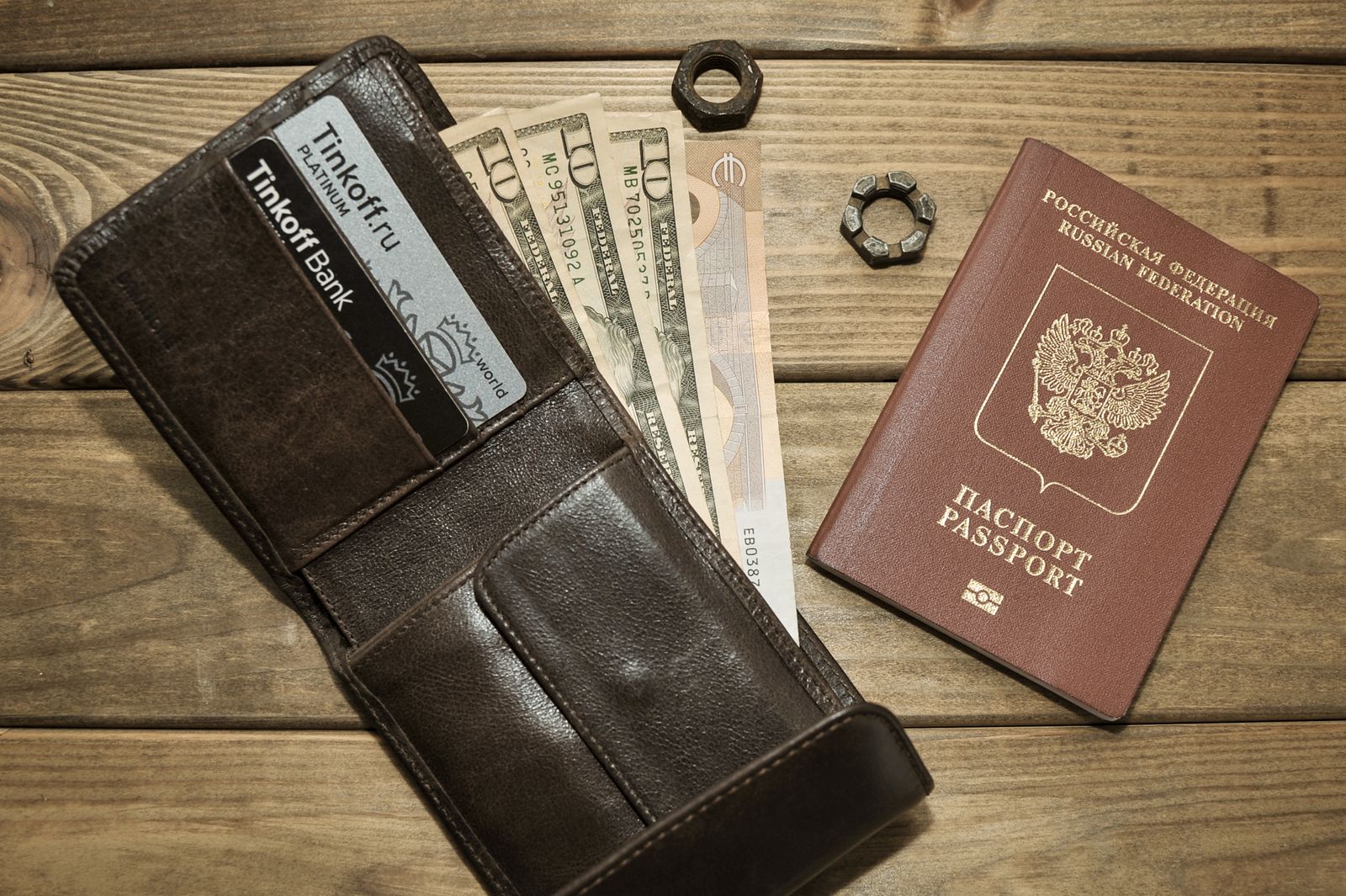
When making a payment or withdrawing cash, an ATM may offer to convert the amount into your card’s currency. Compare exchange rates and bank fees in advance; do not confirm an unclear transaction in a hurry.
Safety on the go
Enable transaction alerts, do not hand your card to strangers and shield the keypad. Keep part of your cash reserves not in your wallet but in another secure place in your hand luggage.
What to check before you set off
Open your ticket and check the full name of the stop, local time, luggage rules and the carrier’s contact details. Save the relevant pages offline, tell a loved one your itinerary and don’t schedule a crucial connection too close to your estimated arrival time. If your journey involves special requirements — such as accessible boarding, the carriage of medical equipment, an animal or non-standard luggage — obtain written confirmation before the day of departure.
A quick checklist
- check your ticket, the exact stop and the current time;
- save your documents, map and important contact details offline;
- allow plenty of time and have a backup plan;
- keep your mobile phone, charger, water and any necessary medication with you;
- use the carrier’s official channels.
Before setting off, check the packing list for a long coach journey and the list of documents required for Europe. Look up the latest departures on RedRay.
After your journey
Do not delete your ticket or messages immediately upon arrival. Check your belongings, expenses and any documents you’ve kept. If you need to contact the transport operator, describe the events in chronological order, include the time, journey number and confirmation, and keep the originals with you. This approach helps to separate facts from emotions and get a meaningful response more quickly.
Frequently asked questions
Can I travel with just my mobile phone?
Mobile payments are convenient, but your phone might run out of battery or lose signal. A physical card and a small amount of cash remain a useful backup.
Where can I exchange currency?
Compare exchange rates and total commission charges at official exchange offices or banks; avoid exchanging money without a clear receipt.