

Sometimes a passenger wants to bring a large musical instrument, a fragile case or another important item into the cabin and decides to pay for another seat. It seems logical: the seat is paid for, so the item can go on it. But passenger transport and the placement of belongings are different matters. An additional purchase without agreement may not provide permission to carry luggage in the chosen way.
This article does not describe a service necessarily available on every departure. Its purpose is to help you make the right enquiry before paying and separate commercial arrangements from safety. Do not buy a document for a fictitious person or hope an empty seat will automatically become a luggage space after boarding.
First describe the item rather than asking for “another ticket”
State the item type, its packed dimensions, weight and the reason it specifically needs to travel in the cabin. The employee needs to understand its actual characteristics, not a general description such as “a small case”. Do not conceal some measurements in the hope that refusal will become impossible once you have paid. Payment will not change the bus’s physical capabilities.
Explain the specific route and date. Do not automatically apply approval for another departure or previous vehicle to a new trip. If there are several legs with different carriers, check each one. Permission for the first bus does not guarantee the same arrangement on the next, even when both tickets are bought through one service.
Do not confuse describing the item with asking about the general luggage allowance. You need to know not only the permitted weight but also the acceptable location, packaging and method of carriage. If the item has particular features, disclose them. An employee cannot assess hidden contents from a photograph of a closed case or the words “it is just equipment”.
Find out whether an agreed booking method exists
Ask the carrier or seller whether this particular item can travel in the cabin and how it is booked. If they offer an additional seat, clarify which details to enter, what document is issued and how staff will see the agreement. Do not invent a second passenger’s name or buy a child fare for an object merely because it is cheaper.
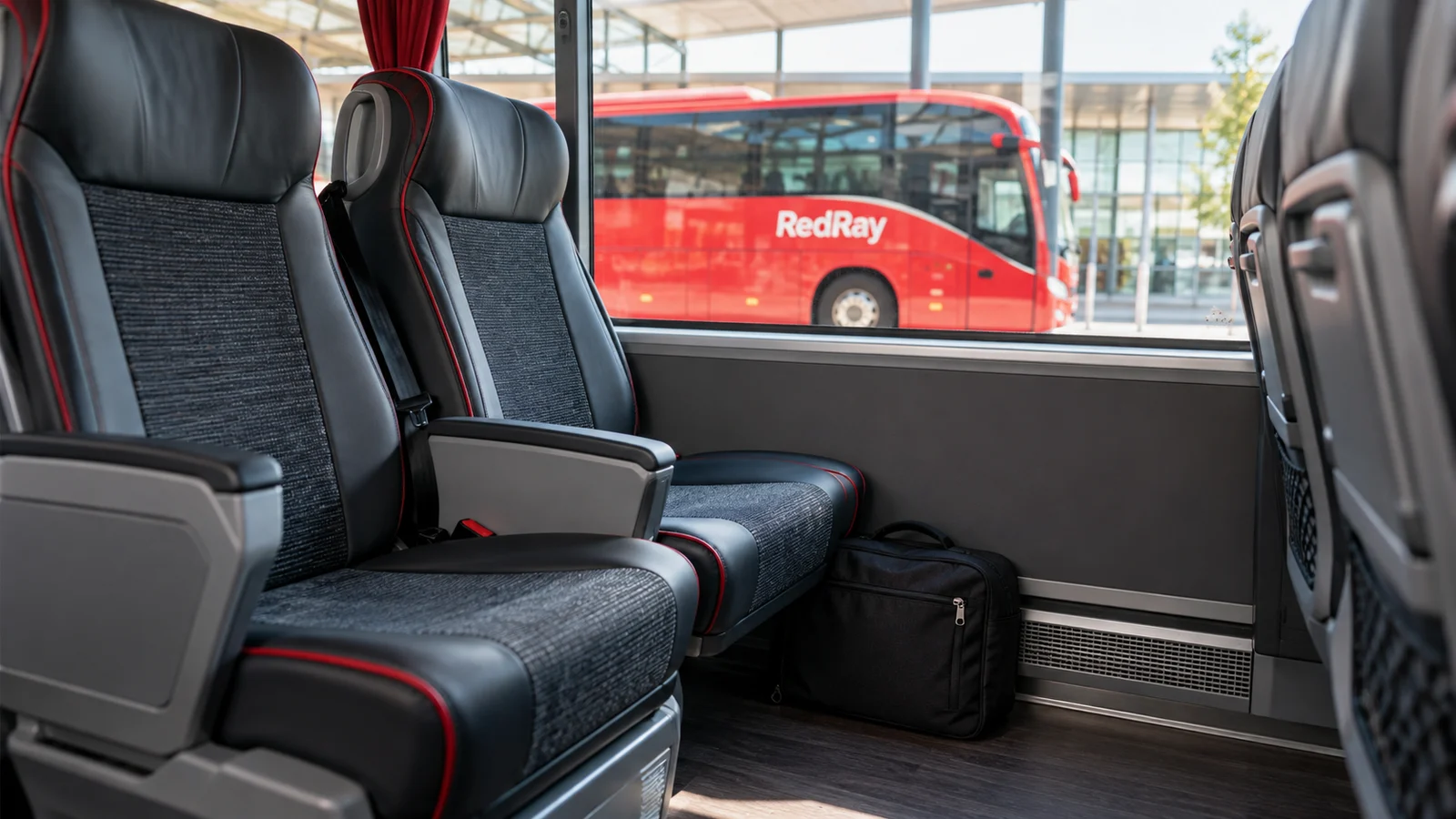
Separately clarify whether a specific seat is assigned and what happens if the vehicle changes. The cabin layout may differ, and an empty adjacent seat does not always mean the item can be placed there. Do not draw conclusions from a seat-selection image without a direct answer concerning the item. The sales service should explain the commercial arrangements, and the carrier the permitted transport procedure.
Ask for clear confirmation of the agreement stating the item’s and service’s details. Keep it with the issued documents. “They usually take those” in a random chat is not specific approval. Even an official answer must be precise enough that the crew do not have to guess which luggage and method you discussed.
Payment does not remove safe-placement requirements
Do not interpret a second passenger seat as permission to block the aisle, doors or access to necessary cabin features. Do not put a heavy case on a seat without an agreed placement method. Do not invent your own attachments to seat parts not designed for that purpose. If the permitted procedure is unclear, clarify it first rather than experimenting during the journey.
Do not assume you can hold the item in your hands throughout the journey. Fatigue, bus movement and the need to get out at a stop change the situation. The item must be suitable for actual carriage, not merely fit in a photograph. Resolve the issue with a responsible employee before departure rather than passing the risk to a fellow passenger.
If you have special equipment for a personal need, describe that need appropriately and ask about the relevant procedure. Do not equate all such items with an ordinary additional suitcase or invent a universal list of permissions. Clarify the specific conditions for the item and service without disclosing unnecessary sensitive information in a public chat.
Compare more than the price of a second seat
The decision includes packaging, access to the item, getting to the stop and the ability to move it during a connection. If obtaining a seat requires buying a second ticket, also check the consequences of changes or cancellation. Do not assume the two documents have identical refund arrangements if they are issued under different procedures or fares.
Consider alternatives only as options to investigate, not guaranteed services. These could include an agreed luggage arrangement, another date or specialised transport with separate conditions. The important thing is that the item and your plans fit the chosen arrangements. A cheap scheme you invent yourself is not a saving if it cannot be implemented at the bus.
Do not hand a valuable item to a random passenger asking them to “book it in their name”. This does not resolve acceptable placement and complicates control of ownership. If you are carrying shared group equipment, designate a responsible person and agree the booking openly. For an international journey, everyone should understand what they are carrying, not just who paid for the seats.
What to check before leaving
- The approval covers this exact item in its actual packaging.
- The service, date and all separate route legs are specified.
- You understand how the service is booked and which documents to present.
- The permitted placement method and procedure if the bus changes have been explained.
Photograph your own item and its packaging for a private enquiry if needed. Do not include ticket codes, passports or bank documents in a public post. The item itself and its measurements are enough to describe its dimensions. Support needs journey details, but send them through a known official channel.
Make sure the agreed arrangement has not been left only in an old email after a service change. If the date changes, check again whether the agreement remains valid and has been passed to the new crew. Do not assume any new ticket automatically inherits all previous individual clarifications without verification.
How to speak to the crew at boarding
Show the required approval and documents immediately, before bringing a large item into the cabin yourself. Briefly state the measurements and method confirmed to you. Do not begin by demanding “I bought a seat, so I can do anything”. Check that the actual vehicle and arrangements allow the specific agreement to be fulfilled without obstructing other passengers.
If there is a discrepancy, ask for the reason and for contact with the responsible service. Missing information among the crew, different dimensions and an unacceptable item are different problems. Do not try to resolve them all through a hidden extra payment or by moving the case as the bus departs. Remain in a safe place and clarify an acceptable option before the vehicle moves.
If carriage as agreed is impossible, separately establish what happens to the passenger ticket, additional booking and item itself. Do not leave it unattended or agree to an informal transfer to another service without clear conditions. Needing to reach your destination does not make an inappropriate transport method safe.
After the journey or a change of plan
Keep documents, confirmations and records of actual expenses until related issues are settled. If enquiring about a service not provided, describe exactly what was agreed, what you brought and the answer you received. Do not combine all circumstances into one unsubstantiated conclusion: a vehicle change and incorrect booking may need separate investigation.
Do not count in advance on specific compensation or a refund of the entire cost. The procedure depends on the purchase and circumstances, not merely the existence of two payments. Documents help an enquiry be considered but do not determine the outcome automatically. Keep a consistent chronology without other people’s personal details or unnecessary public accusations.
Check your individual request again for the next departure, even if the previous journey went well. A successful experience shows that the agreement worked once, not that any bus will now accept the same item. Proper approval before payment is the most useful protection against an unnecessary second purchase.
Questions and answers
Does paying for an empty seat automatically allow me to put a case there?
No. You must separately agree carriage of the particular item, its booking and permitted placement. A passenger ticket does not replace this check.
What details should I enter instead of a second passenger’s name?
Do not invent them yourself. If the carrier permits an additional seat for an item, the seller should explain the appropriate booking method and issue the necessary confirmation.
Does approval cover every bus on a connecting journey?
Check this for each leg and carrier. Permission for the first departure does not automatically approve carriage on subsequent vehicles.
If the bus changes, can I insist on placement at any cost?
No. First establish the safe capabilities of the actual vehicle and available alternatives. Payment does not permit you to create obstructions in the cabin or ignore responsible employees’ instructions.
Useful links
Clarify individual purchase conditions through the contacts on the RedRay website, and find more luggage articles in the RedRay blog. This article does not confirm that a particular service offers this additional option or guarantee its price.