
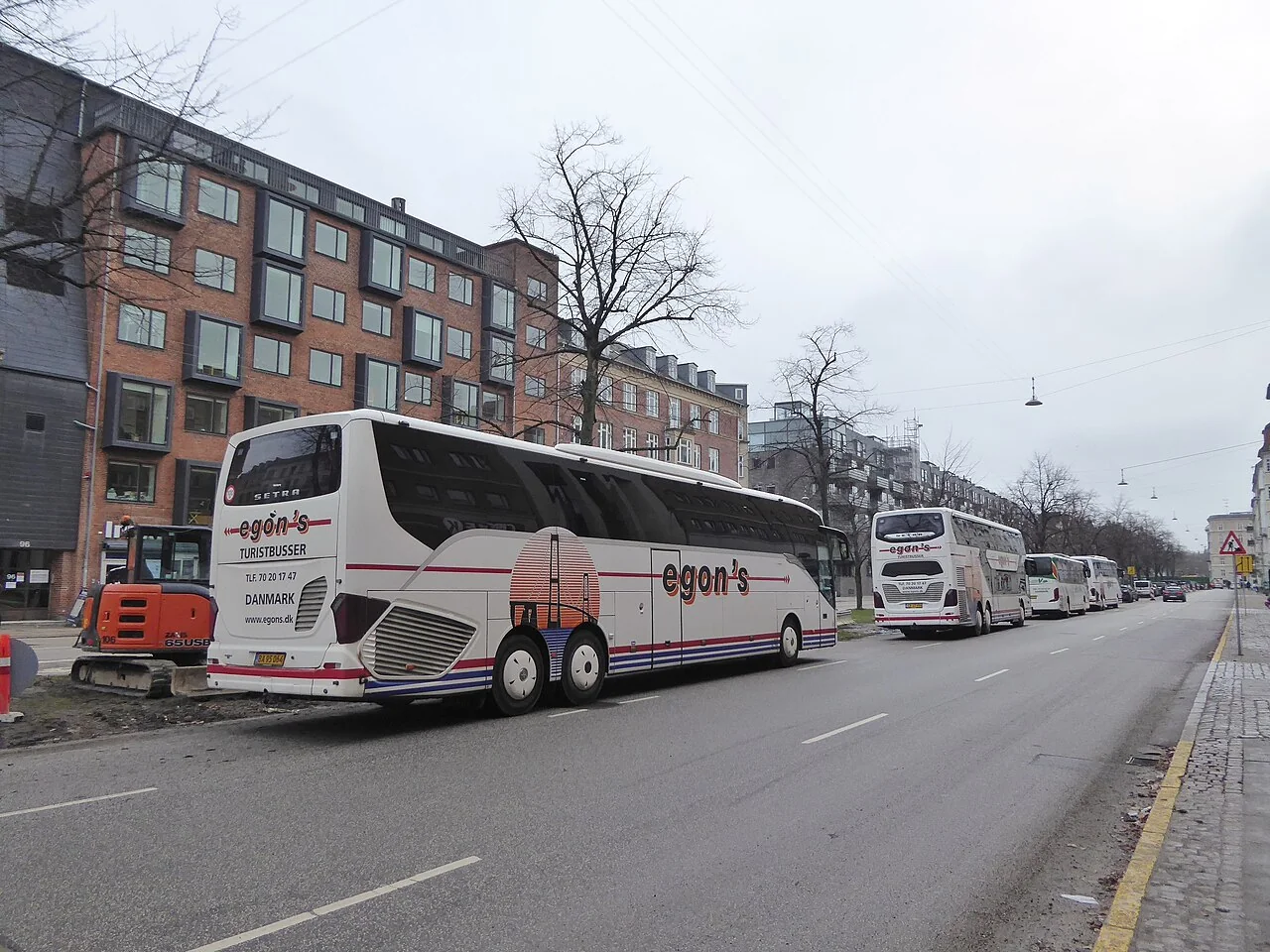
When booking, you’ll see options for seat selection, extra baggage and other services. Don’t add them automatically, and don’t turn them all down just to get the lowest price.
What to consider in advance
For each option, identify a specific need. If sitting together is important to you, check exactly what the relevant service provides. If your luggage fits within the included allowance, you may not need an extra seat. Read the description before paying, rather than interpreting it based on the button’s label.
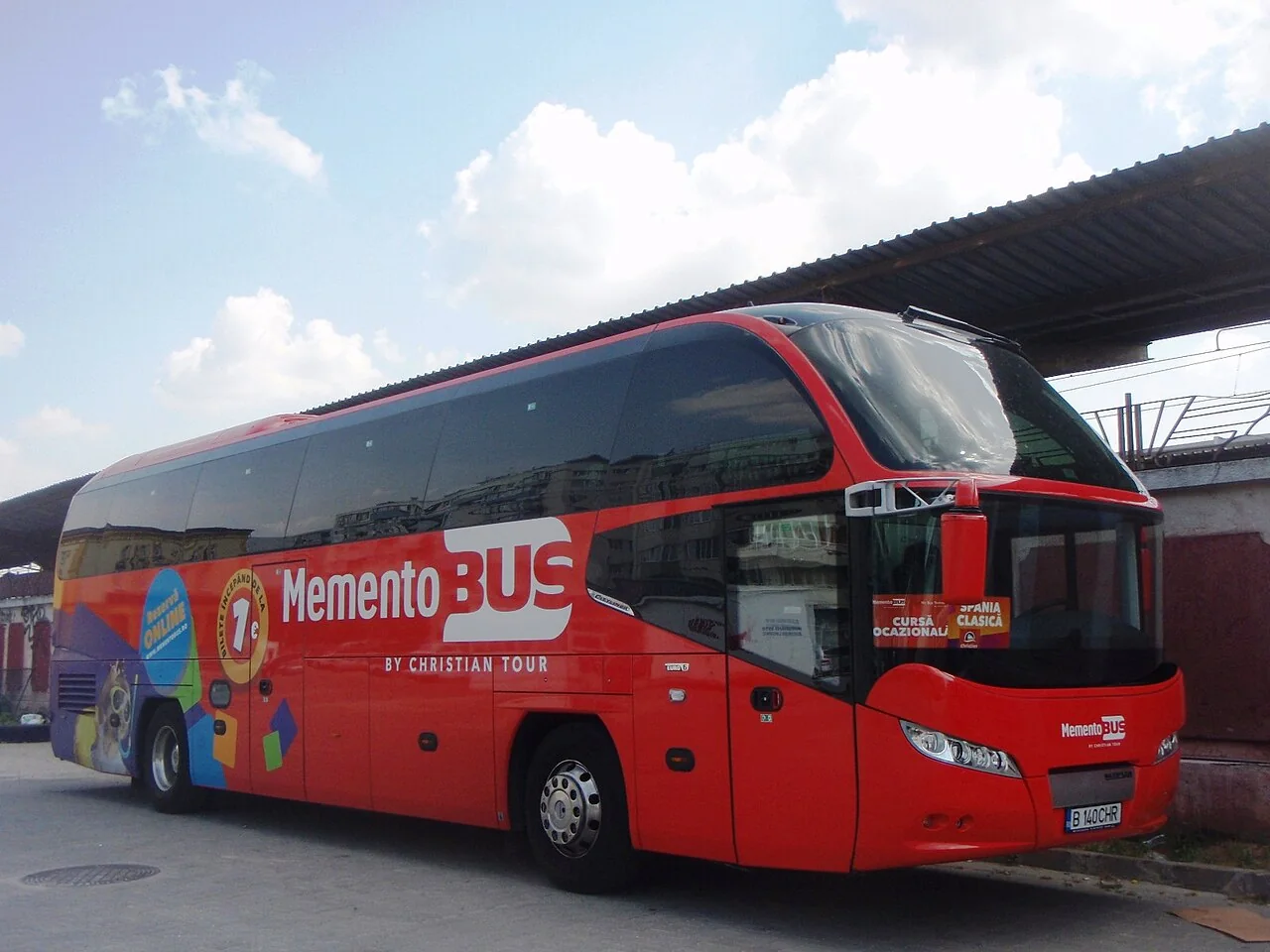
How to apply this when travelling
Save a copy of your booking summary showing the services you’ve purchased. Don’t assume that an option applies to all separate bus sections. If it’s unclear whether a particular service is included, check before purchasing to avoid double payments or false expectations when boarding.
Check before proceeding
Compare offers with the same range of services. Make a note not only of the amount to be paid, but also of anything you’ll need to organise separately. A low initial price doesn’t answer the question of how much the entire coach journey will cost, including your luggage, overnight stays and local transport.
Useful information before your trip
Also check: what documents are required for a coach journey to Europe, how to prepare for an overnight coach journey, and the rules for carrying luggage on a coach. Find up-to-date coach services and route options on RedRay.
Photo sources: image 1 (CC BY-SA 4.0), image 2 (CC BY-SA 2.0).
Questions and answers
How can I assess the value of an additional option?
Compare its exact content with your actual needs for a specific part of your journey.
What figure should you use for comparison?
The total cost of an equivalent set of necessary services, rather than just the advertised price of a single item.
Which part of the plan can you leave as a contingency?
Leave one walk, purchase or additional journey optional. This buffer will help you deal calmly with a bus delay or fatigue.
How much time should you allow before boarding the bus?
Follow the transport operator’s advice and allow extra time for public transport, finding the platform and checking your documents. For an international journey, it’s better to arrive early than to plan a tight connection.