

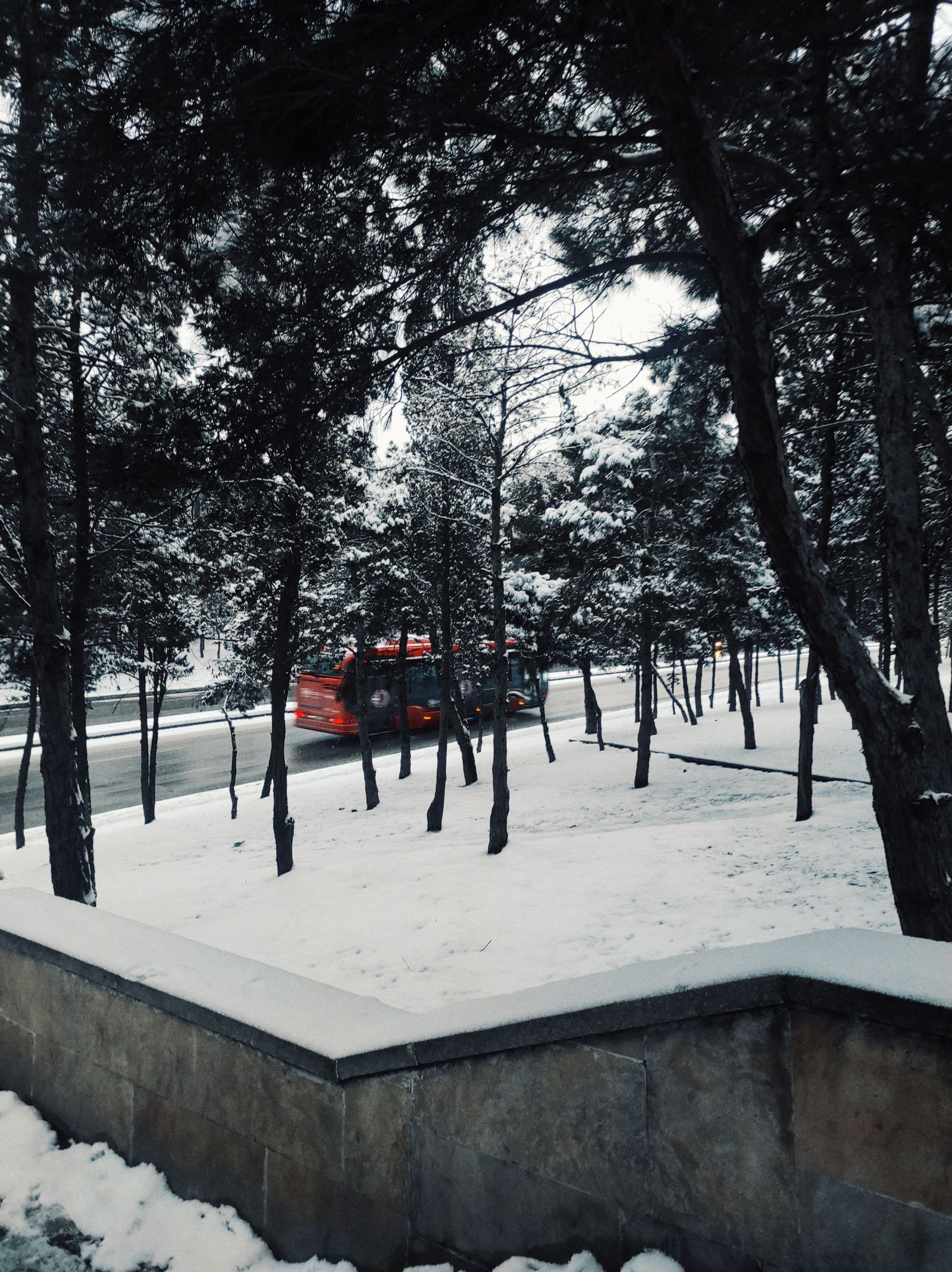
In winter, the route is more heavily influenced by precipitation, road conditions and queues at the border than during the warmer months. Passengers cannot control the weather, but they can ensure they have warm clothing, an adequate supply of water, a fully charged device and realistic stopovers.
Dress in layers
Combine a base layer with warm mid-layers and outerwear that can be easily removed in the cabin. Keep a hat, gloves and dry socks in your hand luggage. Footwear that’s too warm can be uncomfortable in the cabin, so it’s important to be able to adjust your comfort level.
Waiting outside
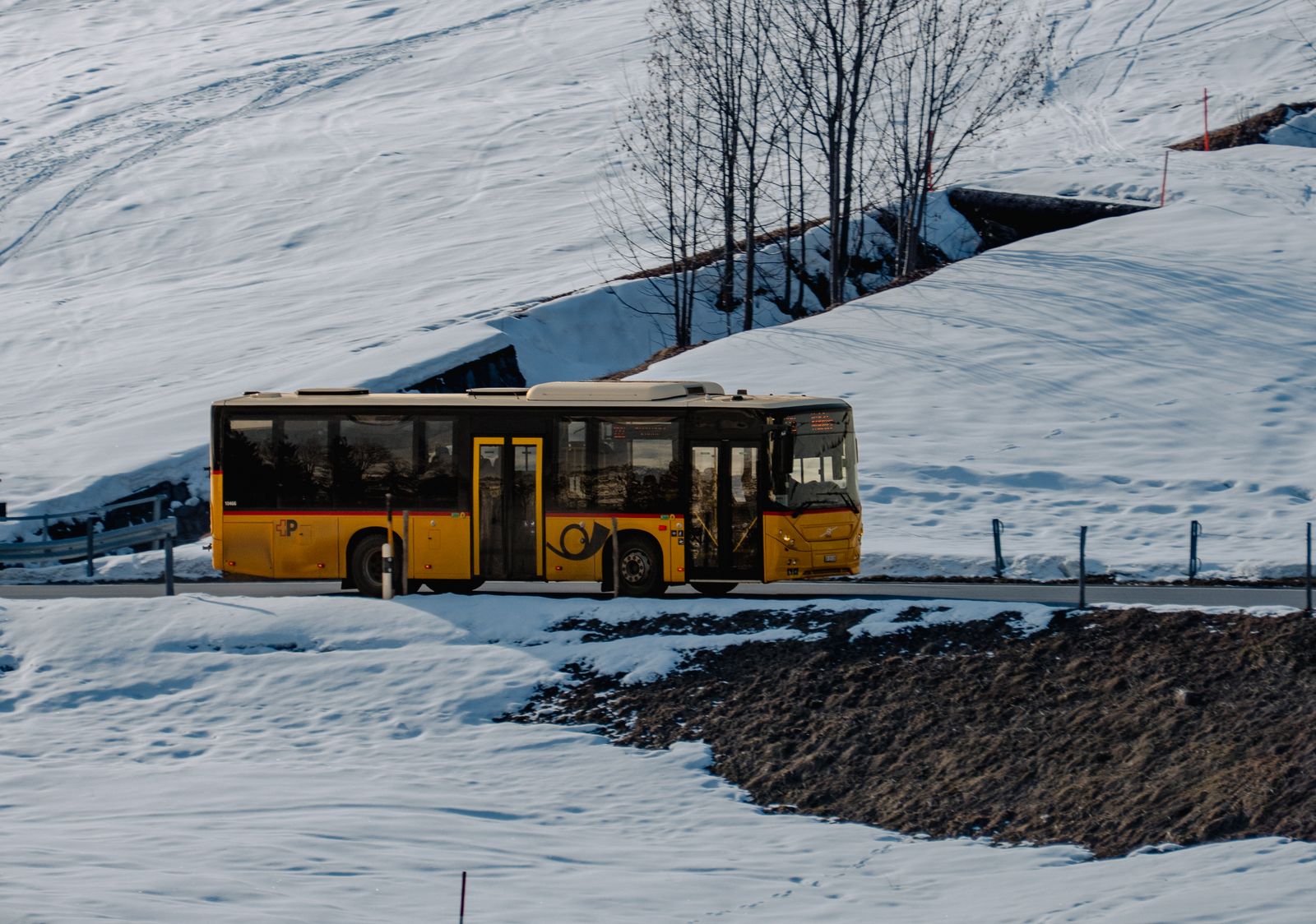
Your specific stop may not have a heated waiting area. Check the facilities and the nearest safe place to wait, but do not leave without a confirmed departure time. Position yourself so that the crew can see you.
Delays and connections
Allow plenty of time between journeys and do not plan any non-refundable activities immediately after arrival. Keep your accommodation’s contact details to hand and let them know if you’ll be arriving late. Keep an eye on official announcements from the transport operator.
Electronics and luggage
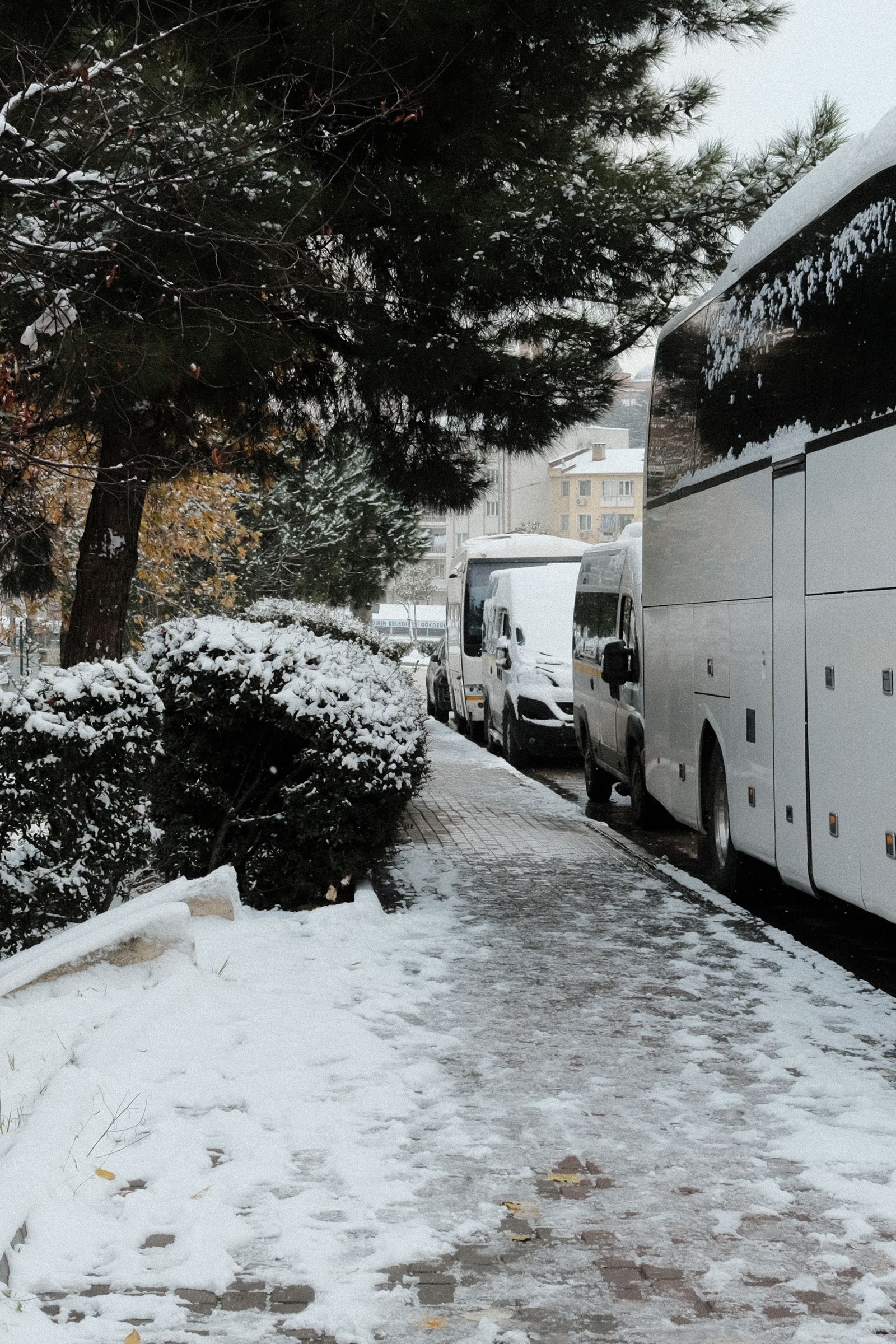
Cold weather drains batteries faster, so keep your phone and power bank close to your body rather than in an outside pocket. Protect your belongings from moisture with plastic bags and do not place wet clothes near your documents.
What to check before departure
Check the date, local time, exact address of the stop and the specific carrier’s rules. Save your ticket and map offline, inform a loved one of your itinerary and set aside some money for the journey to your boarding point. Arrange any special requirements, medical equipment or non-standard luggage in writing in advance.
Checks during stops
At each stop, ask or listen carefully to find out how long the break will last, and return to the bus in good time. Before getting off, take your phone, documents and money with you, but do not unpack all your hand luggage. When you return, make sure that your belongings are back in their places and that the aisle and the seat next to you remain clear. This habit is particularly useful at night.
A quick checklist
- essential items are in your accessible hand luggage;
- your documents, mobile phone and battery charge have been checked;
- the exact stop is marked on an offline map;
- the transport operator’s contact details and a backup plan have been saved;
- valuables are not left unattended.
Before setting off, also check the list of essentials for a long journey and the list of documents required for Europe. Find the latest bus timetables on RedRay.
Frequently Asked Questions
Do I need a blanket?
A compact blanket is useful, but layering your clothing is more versatile at bus stops and on board.
What should I pack for winter?
A warm jumper, dry socks, water, a simple snack, a power bank, essential medicines and the carrier’s contact details.