


It’s best to plan a 48-hour itinerary in Aosta around your journey: the day of arrival should be a bit more relaxed, and it’s best to save the main attraction for the morning. Check in advance how to get from the bus stop to your accommodation, and download a map of the city. That way, even a delayed journey won’t ruin your whole itinerary.
Stay flexible: check-in times, the weather and your actual drop-off point may differ from what you expect. In Italy, factor in cobbled streets, a lunch break, advance booking for popular attractions and time for a short rest.
Day one: exploring the city centre
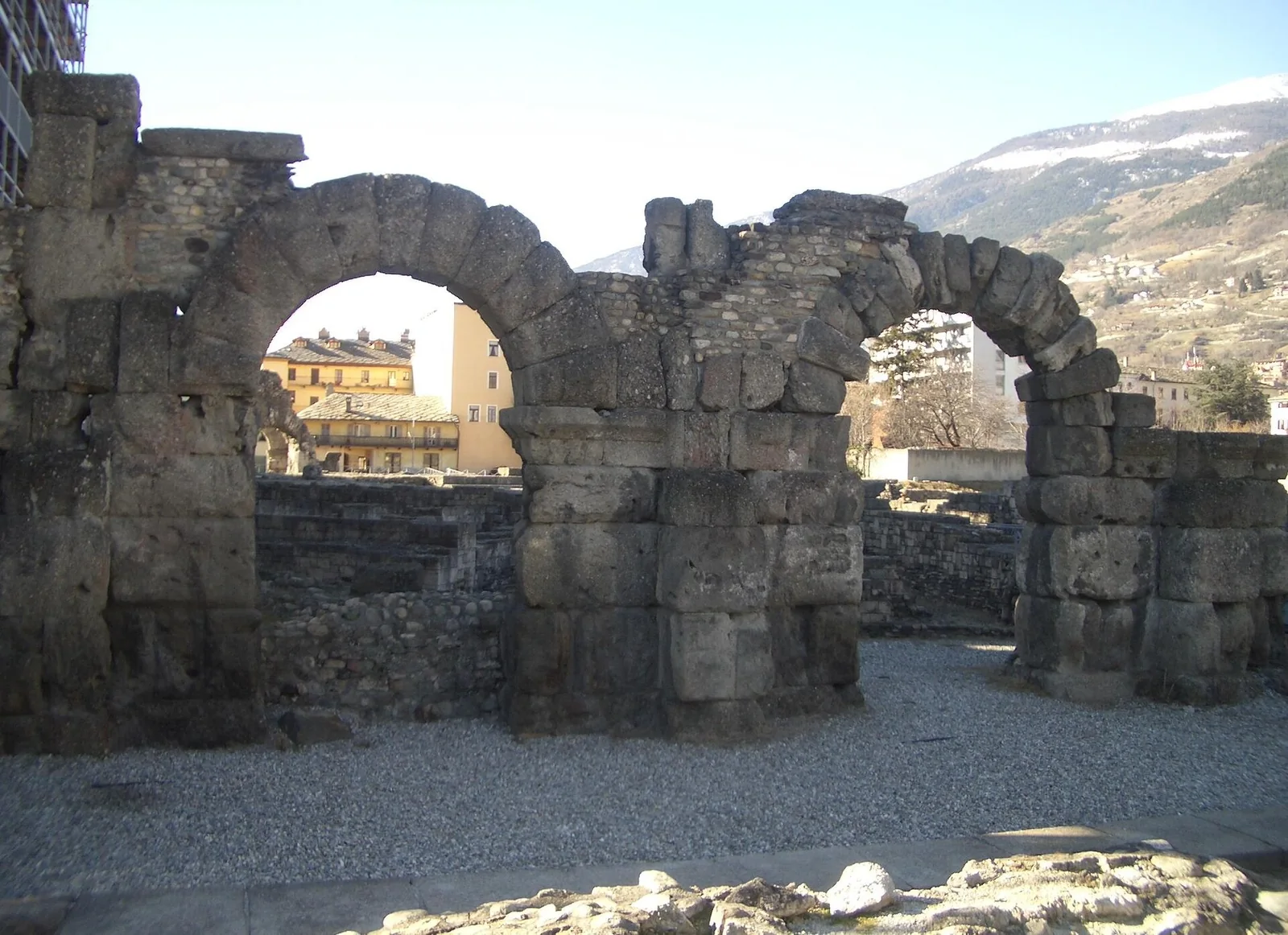
On the day of arrival, it makes sense to head from the Arch of Augustus to the Roman Theatre. If the bus is late, explore the first site and limit your visit to the second to a walk around the outside. Don’t try to make up for lost time by rushing between attractions.
Make a note of your return point and the nearest stop where city buses, the underground or regional trains are available. If you arrive early, take a longer break before lunch; if you arrive late, round off the day with a short loop near your accommodation.
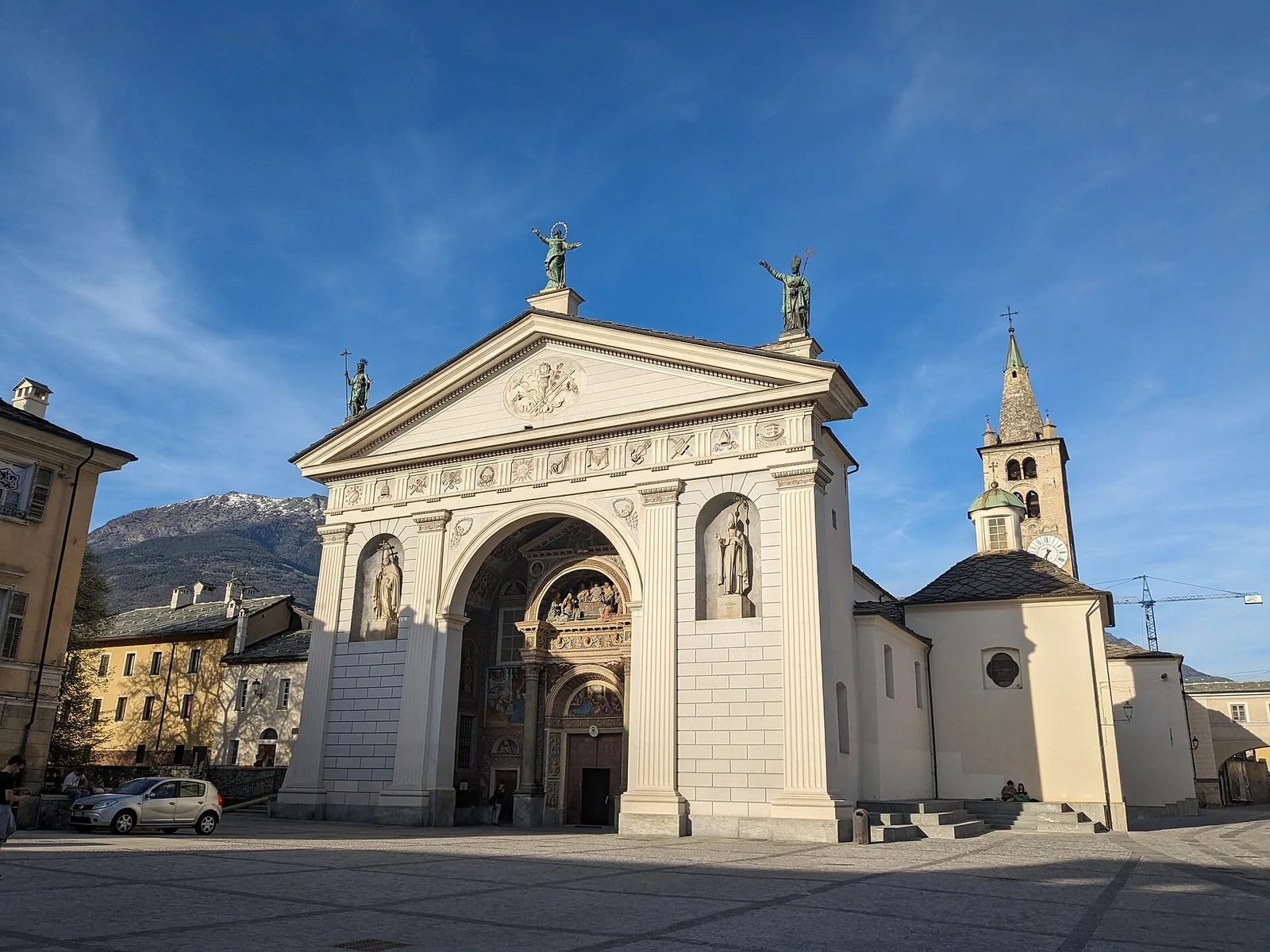
Day two: the main attraction and a leisurely finish
Make Aosta Cathedral your main stop in the morning. Check the official website and entry rules, and after your visit, head to Place Émile Chanu. It’s a good idea to plan a longer stop for lunch on this day and set aside an hour with no set plans.
Finish your final walk closer to your accommodation or on the direct route to the station. Before your next bus, allow time to collect your luggage, find the platform and account for any possible changes to your boarding point.
How to draw up a realistic budget
First, identify your essential expenses: accommodation, transport from the stop, meals and a ticket to your main destination. Divide the remaining amount between small purchases and a contingency fund; a combined travel pass is only worthwhile if its itinerary matches yours.
What to prepare before arrival
- a screenshot of your ticket, the address of your accommodation and the entrance to it;
- mark the Roman Theatre and Place Émile Chanu on your downloaded map;
- a fully charged power bank, water and a compact raincoat;
- a backup route to the bus without complicated changes.
Useful links
To help you prepare, also read ‘Ukraine–Italy bus: how to prepare for an international journey’, ‘Ukraine–Italy bus: route, luggage and plan B’, and ‘How to plan your first day after a long bus journey’. You can check journey times and bus travel options on RedRay. Check the latest visitor guidelines and events calendar via Italy’s official tourism portal and the official websites of specific attractions. Sources verified on 6 September 2026.
Questions and Answers
How should I organise my 48 hours in Aosta?
Set aside your arrival day for the town centre and open spaces, and the morning of the following day for attractions requiring a ticket. Keep the final few hours free before your journey home.
What should I do with my luggage before check-in?
Ask your hotel or apartment if they offer an early check-in service. Alternatively, use an official luggage storage facility with clear rates, a receipt and convenient opening hours.
When is a travel pass worth it in Aosta?
A travel pass makes sense if you’re making several long journeys in a single day. If your route takes you through the compact city centre, compare the cost of the pass with two or three single tickets.
Which stops on the route should you check in advance?
Check the time slot for Aosta Cathedral, the rules on carrying rucksacks, and how to collect your ticket. Also, confirm the exact address of your next bus stop.